|
Support for UN SDGs
These products contribute directly and indirectly to several SDGs:
SDG 2: Zero Hunger
· Food Preservation & Security: The fish/meat drier extends the shelf life of perishable foods, reducing waste and ensuring food availability.
· Enhanced Productivity: Higher drying capacity supports local food producers, increasing food supply and income.
SDG 7: Affordable & Clean Energy
Renewable Energy Use: The solar hydrator harnesses clean solar power, reducing reliance on fossil fuels and promoting sustainable energy use.
SDG 9: Industry, Innovation, and Infrastructure
· Technological Innovation: Introducing efficient, multi-fuel, and solar-powered systems advances local industrial capacity.
· Infrastructure Development: Supports the establishment of reliable food processing infrastructure.
SDG 12: Responsible Consumption and Production
· Sustainable Practices: Promotes energy-efficient and environmentally friendly food processing methods.
· Waste Reduction: Extends shelf life, reducing food waste.
SDG 13: Climate Action
· Climate-Friendly Solutions: Solar and multi-fuel systems reduce greenhouse gas emissions linked to traditional drying and hydration methods.
SDG 8: Decent Work and Economic Growth
· Job Creation & Economic Empowerment: Improved processing systems support local entrepreneurs, creating employment opportunities.
· Business Growth: Increased capacity and efficiency foster economic development in communities.
DETAILED INFORMATION ON ORGANIZATION
Company Information
Company Profile:
Jessy Jay International Limited specializes in engineering, agro-processing, transportation, and supplies, with extensive experience in project execution, community development, and innovative agricultural solutions. Since its establishment in 2002, the company has grown to become a reputable firm in Nigeria, ranked among the top contractors, with a workforce of over 15 employees.
Vision:
Delivering innovative, sustainable, and efficient agro-processing solutions that improve livelihoods and support Nigeria’s food security.
Mission:
To promote rapid, environmentally sustainable agricultural development through clean energy technologies, capacity building, and strategic partnerships.
Core Services:
- Solar-powered dehydration and drying systems
- Cold storage and irrigation solutions
- Engineering and civil construction
- Equipment supply and installation
- Training and capacity building for farmers and entrepreneurs
Selected Projects:
- Agro-processing training with SMEDAN (2022-2024)
- Construction of educational and health infrastructure
- Electrification projects in Nigeria’s power sector
- Supply of processing and office equipment
Key Equipment & Technologies:
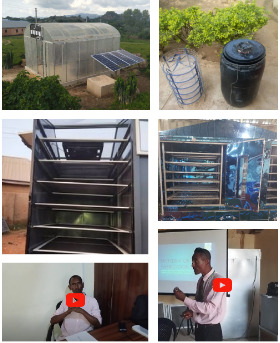
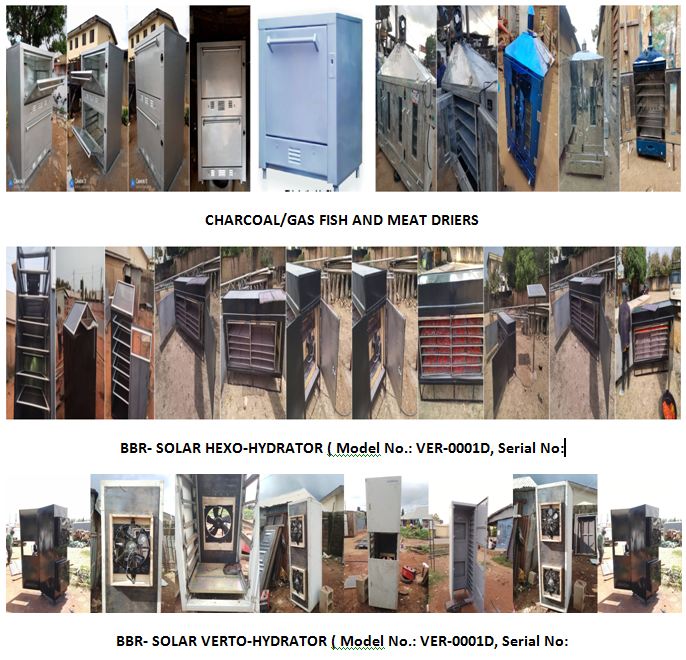
- Solar dehydrators (250kg/month capacity)
- Multi-fuel fish/meat dryers
- Locally fabricated solar drying units
- Climate-resilient storage solutions
Empowering Nigerian Women Farmers and Marketers of highly perishable farm produce (both Animal and Plants) with Innovative Food Processing & Storage Solutions. Jessy Jay International Nigeria Limited (JJIL) is revolutionising agriculture in Nigeria by providing affordable, eco-friendly produce dehydration and storage technologies. Our solar-powered drying systems and capacity-building programs help farmers—especially women via the WLIAB programme—reduce post-harvest losses, extend shelf life, and add value to their farm produce. Committed to sustainability and food security, we foster inclusive growth by empowering grassroots farmers, creating jobs, and opening access to local and international markets. Together, we’re transforming Nigeria’s agriculture into a sustainable, profitable, and resilient sector.
The sphere of Jessy Jay International Nigeria Limited (JJIL) encompasses: Agriculture, Food Processing, and Post-Harvest Technology. Specifically, JJIL operates within the domains of produce processing, storage innovation, dehydration technology, climate-resilient farming solutions, and capacity building for smallholder farmers and women entrepreneurs in Nigeria and neighbouring West African countries. Its focus is on enhancing food security, reducing post-harvest losses, promoting sustainable agricultural practices, and empowering grassroots communities through innovative, eco-friendly technologies and skills development.
Our Solution to These Challenges
- Provision of Processing and Packaging Equipment
Supplying affordable, climate-smart processing tools tailored for women entrepreneurs
Enabling value addition to perishable farm produce
- Capacity Building and Training
Offering skill development in hygienic processing, packaging, and branding
Empowering women and smallholder farmers to improve product quality
- Market Linkages and Access
Facilitating connections with local, national, and international markets
Supporting branding and certification to meet market standards
- Access to Finance and Support Services
Connecting clients with financial institutions and grants
Providing ongoing mentorship and technical support
- Climate-Smart Agricultural Practices
Promoting sustainable farming methods
Introducing climate-resilient infrastructure and storage solutions
- Formation of Cooperatives and Clusters
Organizing women into cooperatives for collective bargaining and resource sharing
Strengthening community-based enterprises
|