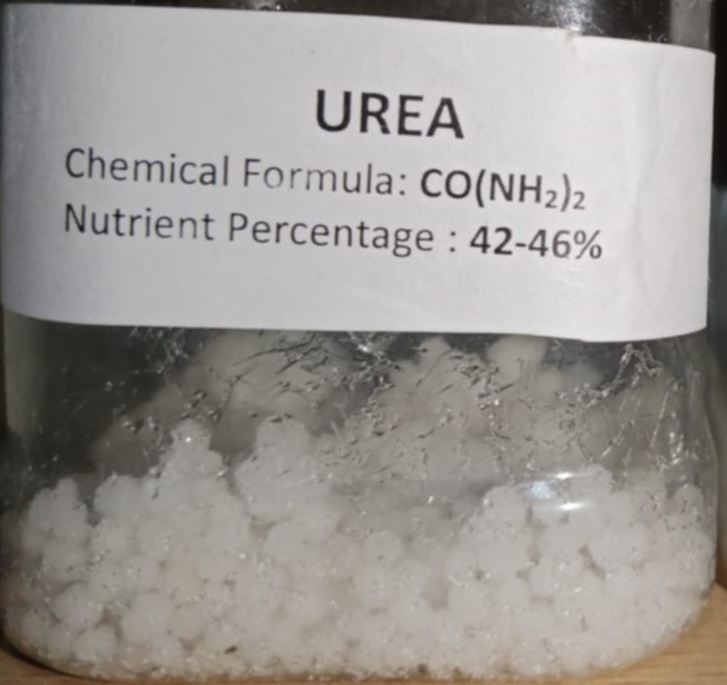
Urea is one of the most widely used nitrogen fertilizers in agriculture because it is highly concentrated, easy to transport, and relatively affordable. Here’s a complete breakdown: 1. What is Urea? Chemical formula: CO(NH₂)₂ Nitrogen content: ~46% (highest among solid nitrogen fertilizers) Form: White crystalline granules or prills Solubility: Highly soluble in water, making it quick to release nitrogen after application 2. Importance in Agriculture Primary role: Supplies nitrogen, an essential macronutrient for plant growth Function: Nitrogen is a key component of chlorophyll, amino acids, proteins, and enzymes — vital for leaf development and overall vegetative growth Suitable for: All major crops like rice, wheat, maize, sugarcane, cotton, vegetables, and fruits 3. Advantages High nitrogen concentration (reduces transport cost) Easily handled, stored, and applied Rapidly available nitrogen source for plants Cost-effective compared to other nitrogen fertilizers 4. Application Methods Broadcasting: Evenly spreading urea over the soil surface before or after planting Top dressing: Applying during crop growth stages to boost vegetative growth Fertigation: Dissolving in irrigation water for drip or sprinkler systems Foliar spray: Diluted urea sprayed directly on leaves (usually 0.5–2% solution) for quick nitrogen uptake 5. Precautions for Efficient Use Urea can lose nitrogen through volatilization (ammonia gas loss) if left on the soil surface — especially in alkaline soils. Best practices: Apply before irrigation or rain to help urea dissolve and move into the soil Incorporate into the soil during or just after application Avoid applying on very hot, dry days For rice: apply in split doses (basal, tillering, panicle initiation) to reduce losses 6. Environmental Considerations Overuse can cause nitrate leaching into groundwater, contributing to pollution Excess nitrogen can lead to soil acidification and greenhouse gas emissions (nitrous oxide) Balanced fertilization and integrated nutrient management are essential for sustainability ✅ Summary: Urea is a powerful nitrogen fertilizer that, when used correctly, significantly boosts crop yields. However, it must be managed properly to minimize losses and environmental harm.
Welcome to BSMe2e, a vibrant platform brimming with exciting events, contests, and a thriving marketplace. We're committed to providing a fair and enjoyable experience for everyone – users, sellers, advertisers, and agents. To ensure a seamless journey, participation in any BSMe2e event or contest requires adherence to our comprehensive event policies.
BSMe2e Event Policies to Help You Participate with Purpose
- Users: Let your talents shine! BSMe2e offers a platform to showcase your skills, engage in skill-sharing, and seize opportunities. Remember, respect and integrity are the cornerstones of our community. For detailed guidelines, visit our dedicated policy page on Talent Competition Conditions.
- Sellers: Your storefronts are the lifeblood of our marketplace. To maintain a trustworthy environment, adhering to our Seller Service Policies is crucial. These policies cover everything from product listings to customer interactions, fostering a standardized and professional experience across all eStores. Explore the Terms and Conditions for a clear understanding.
- Advertisers: You're the storytellers, bringing brands and services to life with your creative ads. Your contributions fuel our ecosystem, and following our Advertisement Policies is essential. These guidelines ensure a respectful and lawful marketing practice, upholding the integrity of our advertising space. Dive deeper into the Advertisers Policies to craft impactful campaigns.
- Agents: As BSMe2e ambassadors, you play a pivotal role in fostering growth and connections. Following our Agent Program Policies equips you with the knowledge to excel and champion the values of our community.
Each event and contest has its own set of terms and conditions, detailed within specific policy pages. We highly recommend thoroughly reviewing these terms before engaging in any activity on our platform.
A Commitment to All
At BSMe2e, we wish to foster a community that celebrates innovation and mutual respect. Our policies support this commitment, ensuring every interaction is rooted in excellence.
Join the BSMe2e Journey
Unleash your potential, connect with a global audience, and be part of a futuristic marketplace that celebrates talent and entrepreneurship. At BSMe2e, your journey to success begins!


 ENG
ENG
Fertilizer facts that make a difference! Helpful for anyone passionate about boosting productivity sustainably.