Here’s a detailed explanation of Tillage in agriculture: 1. What is Tillage? Tillage is the mechanical manipulation of soil using tools and implements to prepare it for crop production. It is done to create a good seedbed, improve soil conditions, control weeds, and incorporate organic matter or fertilizers. 2. Objectives of Tillage Seedbed preparation → fine, loose soil for better seed germination Weed control → uprooting or burying weeds before sowing Soil aeration → allowing better oxygen penetration for root respiration Moisture conservation → breaking crusts and creating mulch to reduce evaporation Incorporation of crop residues, manures, and fertilizers into the soil Pest & disease management → disrupting life cycles of soil pests and pathogens Levelling land for uniform irrigation and crop stand 3. Types of Tillage A. Primary Tillage Definition: First major soil-working operation after the last crop harvest Purpose: Breaks up compact soil, inverts soil layers, buries crop residues and weeds Implements used: Country plough Mouldboard plough Disc plough Example: Ploughing a field before sowing wheat B. Secondary Tillage Definition: Follows primary tillage to refine the soil, break clods, and level the field Purpose: Prepares fine seedbed, conserves moisture, and controls emerging weeds Implements used: Harrows (disc/tyne) Cultivators Rollers Example: Harrowing after ploughing to break large clods C. Special Types of Tillage Conservation Tillage → Minimum soil disturbance to preserve moisture and prevent erosion (e.g., zero tillage, strip tillage) Contour Tillage → Performed along contour lines in hilly areas to reduce erosion Subsoiling → Deep tillage to break hardpan and improve drainage Rotary Tillage → Using rotavators for fine seedbed preparation 4. Characteristics of Good Tillage (Good Tilth) Soil should be loose, friable, and well-aerated Adequate moisture for seed germination Minimal clod formation Free from weeds and crop residues interfering with sowing 5. Advantages of Proper Tillage Promotes rapid and uniform seed germination Enhances root growth and nutrient uptake Improves water infiltration and storage Reduces weed competition and pest incidence 6. Disadvantages of Excessive Tillage Increases soil erosion risk Causes soil compaction in lower layers Accelerates organic matter loss High fuel, labor, and time costs ✅ Summary: Tillage is a key step in crop production, involving primary and secondary operations to prepare soil, control weeds, and create optimal conditions for seed germination. However, over-tillage can harm soil health, so balanced and need-based tillage is essential for sustainable agriculture.
Welcome to BSMe2e, a vibrant platform brimming with exciting events, contests, and a thriving marketplace. We're committed to providing a fair and enjoyable experience for everyone – users, sellers, advertisers, and agents. To ensure a seamless journey, participation in any BSMe2e event or contest requires adherence to our comprehensive event policies.
BSMe2e Event Policies to Help You Participate with Purpose
- Users: Let your talents shine! BSMe2e offers a platform to showcase your skills, engage in skill-sharing, and seize opportunities. Remember, respect and integrity are the cornerstones of our community. For detailed guidelines, visit our dedicated policy page on Talent Competition Conditions.
- Sellers: Your storefronts are the lifeblood of our marketplace. To maintain a trustworthy environment, adhering to our Seller Service Policies is crucial. These policies cover everything from product listings to customer interactions, fostering a standardized and professional experience across all eStores. Explore the Terms and Conditions for a clear understanding.
- Advertisers: You're the storytellers, bringing brands and services to life with your creative ads. Your contributions fuel our ecosystem, and following our Advertisement Policies is essential. These guidelines ensure a respectful and lawful marketing practice, upholding the integrity of our advertising space. Dive deeper into the Advertisers Policies to craft impactful campaigns.
- Agents: As BSMe2e ambassadors, you play a pivotal role in fostering growth and connections. Following our Agent Program Policies equips you with the knowledge to excel and champion the values of our community.
Each event and contest has its own set of terms and conditions, detailed within specific policy pages. We highly recommend thoroughly reviewing these terms before engaging in any activity on our platform.
A Commitment to All
At BSMe2e, we wish to foster a community that celebrates innovation and mutual respect. Our policies support this commitment, ensuring every interaction is rooted in excellence.
Join the BSMe2e Journey
Unleash your potential, connect with a global audience, and be part of a futuristic marketplace that celebrates talent and entrepreneurship. At BSMe2e, your journey to success begins!


 ENG
ENG
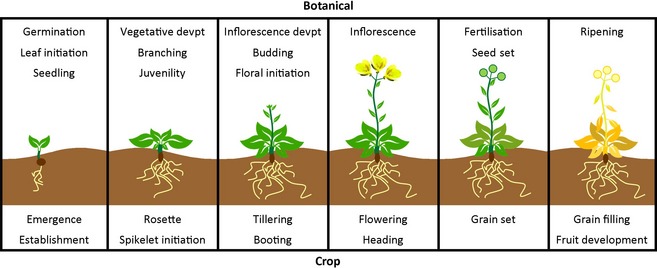
A clear, visual breakdown of plant growth stages and tillage importance — very useful for farmers and learners alike.