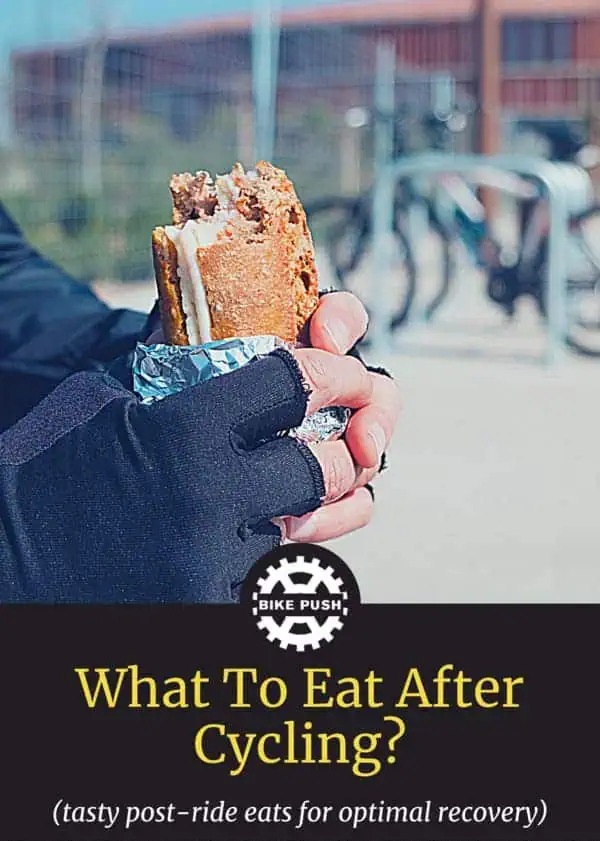
You’ve just rolled back home from a long bike ride. Your legs are heavy, your stomach is growling, and your first thought is: “I could eat everything in sight.”
That’s not just hunger talking—it’s your body sending an urgent SOS signal for recovery. Every pedal stroke you pushed burned through energy, strained muscles, and drained your hydration levels. What you eat in the next few hours could make or break how you feel tomorrow—and even how strong you’ll be on your next ride.
In this guide, we’ll dive into the science of post-ride nutrition, practical food options you can prepare quickly, and how to tailor your recovery meals depending on the type of ride you’ve just done.
Why Post-Ride Nutrition Matters
When you finish a ride—whether it’s a steady 50 km or a brutal 150 km—you’re not just tired. Inside your body, three major things have happened:
-
Glycogen Depletion
Your muscles store carbohydrates as glycogen, which is your main energy source for cycling. Long or intense rides drain these stores. If you don’t refill them, your next workout will feel harder and your recovery will drag on.
-
Muscle Stress and Microdamage
Pedalling thousands of revolutions puts stress on muscle fibers. Tiny tears occur, and while this sounds bad, it’s actually what triggers adaptation and growth. But to repair those fibers, your body needs protein.
-
Fluid and Electrolyte Loss
Sweating isn’t just water loss—it’s also sodium, potassium, magnesium, and chloride leaving your body. Without replenishment, dehydration can linger and even cause muscle cramps.
Post-ride nutrition isn’t about stuffing your face; it’s about targeted refuelling—getting the right nutrients at the right time to accelerate recovery.
The Golden Window: When to Eat After Cycling
Sports nutritionists often talk about the “glycogen window” or “metabolic window.” This is the 30–120 minutes immediately after your ride when your body is especially primed to absorb nutrients.
During this period, your muscles are like sponges. Feed them the right carbs and proteins, and you’ll refill energy stores faster, repair muscle damage efficiently, and reduce post-ride fatigue.
-
Short, easy rides (<1 hr): You can get by with your next normal meal.
-
Moderate rides (1–3 hrs): Aim for a balanced snack within 30–60 minutes, followed by a full meal later.
-
Intense or long rides (3+ hrs): Prioritize rapid replenishment—carbs + protein ASAP, plus continued eating over the next few hours.
The Core Nutrients You Need
1. Carbohydrates – Rebuilding Your Energy Tank
-
Target: 30–60g of carbs within the first hour.
-
Why: Carbs refill glycogen stores. Without them, fatigue lingers and your next training session suffers.
-
Best Sources: White rice, potatoes, pasta, oats, bread, fruit, recovery drinks.
2. Protein – Repair and Adaptation
-
Target: 15–30g of protein post-ride.
-
Why: Provides amino acids that rebuild muscle fibers and support adaptation.
-
Best Sources: Eggs, chicken, fish, beans, tofu, Greek yogurt, whey protein.
Ideal ratio: 3:1 carbs to protein (e.g., 45g carbs + 15g protein).
3. Fluids and Electrolytes – Rehydration
-
Why: Restores plasma volume, helps nutrient transport, prevents cramps.
-
How: Water, coconut water, milk, or electrolyte drinks.
4. Micronutrients – The Unsung Heroes
-
Antioxidants (berries, tomatoes, spinach): Reduce exercise-induced oxidative stress.
-
Iron (leafy greens, red meat, lentils): Supports oxygen transport.
-
Omega-3s (fish, walnuts, flaxseeds): Help reduce inflammation.
Best Post-Ride Recovery Foods
Here are practical, tasty options that hit the nutrition sweet spot:
-
Chocolate Milk (or Chocolate Soy Milk)
-
Classic cyclist recovery drink.
-
Contains carbs + protein in near-perfect ratio.
-
Hydrates while refuelling glycogen.
-
Eggs on Wholegrain Toast
-
Two eggs provide ~12g protein.
-
Wholegrain toast adds ~30–40g carbs.
-
Add avocado for healthy fats.
-
Peanut Butter Sandwich
-
White Rice with Chicken or Eggs
-
Baked Beans on Toast
-
Fruit & Yogurt Bowl
-
Bananas, berries, or mango for quick carbs.
-
Greek yogurt adds protein.
-
Sprinkle granola for crunch and extra carbs.
-
Recovery Smoothie
-
Blend banana, oats, milk, yogurt, honey, and frozen berries.
-
Hydrating, nutrient-dense, and easy on the stomach.
Example Recovery Meal: Rejuvenating Rice Bowl
-
Grilled chicken breast – lean protein for repair.
-
White rice – fast-digesting carbs for glycogen refill.
-
Steamed broccoli & spinach – antioxidants + iron.
-
Bell peppers & cherry tomatoes – vitamin C for immunity.
-
Avocado slices – healthy fats for inflammation control.
-
Sesame seeds + lemon-garlic dressing – flavor + micronutrients.
-
Coconut water – natural electrolyte replenishment.
Types of Carbs: What Works Best After Cycling?
-
Simple carbs: (fruit, honey, white rice) – Quick glycogen replenishment, ideal right after riding.
-
Complex carbs: (oats, wholegrain bread, quinoa) – Slower release, better for your recovery meal 2–3 hours later.
-
Refined carbs: (white bread, pasta) – Useful post-ride but should not dominate your daily diet.
-
Unrefined carbs: (vegetables, whole grains, legumes) – Healthier overall, better for everyday fuelling.
Rule of thumb: Use fast carbs immediately after the ride, then mix in complex carbs later.
Hydration: Don’t Forget the Basics
We often focus so much on food that we forget about fluids. A simple trick:
-
Weigh yourself before and after your ride.
-
For every 1 kg of weight lost, drink 1–1.5 litres of fluid.
Electrolyte-rich drinks or even salty snacks (nuts, pretzels) help replace sodium lost in sweat.
FAQs About Post-Cycling Nutrition
1. Does the type of ride affect recovery food?
Yes. High-intensity rides need faster carbs and more protein. Low-intensity rides need less urgency.
2. Can I just use a commercial recovery drink?
You can—but research shows real foods like chocolate milk or rice + chicken are just as effective (and cheaper).
3. Do I need supplements?
Not unless you have specific deficiencies. Whole foods should be your first choice.
4. How soon should I eat?
Ideally within 30–60 minutes, but the full recovery window lasts up to 2 hours.
The Bigger Picture: Why Recovery Nutrition Matters
Cycling doesn’t make you stronger while you ride—it makes you stronger when you recover. The ride stresses your system; the food you eat afterwards gives your body the raw materials to rebuild and adapt.
Skipping proper recovery nutrition means:
-
You’ll feel sluggish and sore the next day.
-
Your glycogen stores won’t be fully replenished.
-
You risk overtraining or plateauing.
Getting it right means:
Final Wrap-Up
The period after your ride is when your body transforms stress into strength. Proper recovery nutrition—carbs for energy, protein for repair, fluids for hydration—is the foundation of long-term cycling performance.
So next time you finish a ride, don’t just collapse on the couch or raid the cookie jar. Be intentional. Choose foods that refuel, repair, and refresh.
Your future self—the one riding stronger, climbing faster, and recovering quicker—will thank you.
Welcome to BSMe2e, a vibrant platform brimming with exciting events, contests, and a thriving marketplace. We're committed to providing a fair and enjoyable experience for everyone – users, sellers, advertisers, and agents. To ensure a seamless journey, participation in any BSMe2e event or contest requires adherence to our comprehensive event policies.
BSMe2e Event Policies to Help You Participate with Purpose
- Users: Let your talents shine! BSMe2e offers a platform to showcase your skills, engage in skill-sharing, and seize opportunities. Remember, respect and integrity are the cornerstones of our community. For detailed guidelines, visit our dedicated policy page on Talent Competition Conditions.
- Sellers: Your storefronts are the lifeblood of our marketplace. To maintain a trustworthy environment, adhering to our Seller Service Policies is crucial. These policies cover everything from product listings to customer interactions, fostering a standardized and professional experience across all eStores. Explore the Terms and Conditions for a clear understanding.
- Advertisers: You're the storytellers, bringing brands and services to life with your creative ads. Your contributions fuel our ecosystem, and following our Advertisement Policies is essential. These guidelines ensure a respectful and lawful marketing practice, upholding the integrity of our advertising space. Dive deeper into the Advertisers Policies to craft impactful campaigns.
- Agents: As BSMe2e ambassadors, you play a pivotal role in fostering growth and connections. Following our Agent Program Policies equips you with the knowledge to excel and champion the values of our community.
Each event and contest has its own set of terms and conditions, detailed within specific policy pages. We highly recommend thoroughly reviewing these terms before engaging in any activity on our platform.
A Commitment to All
At BSMe2e, we wish to foster a community that celebrates innovation and mutual respect. Our policies support this commitment, ensuring every interaction is rooted in excellence.
Join the BSMe2e Journey
Unleash your potential, connect with a global audience, and be part of a futuristic marketplace that celebrates talent and entrepreneurship. At BSMe2e, your journey to success begins!


 ENG
ENG