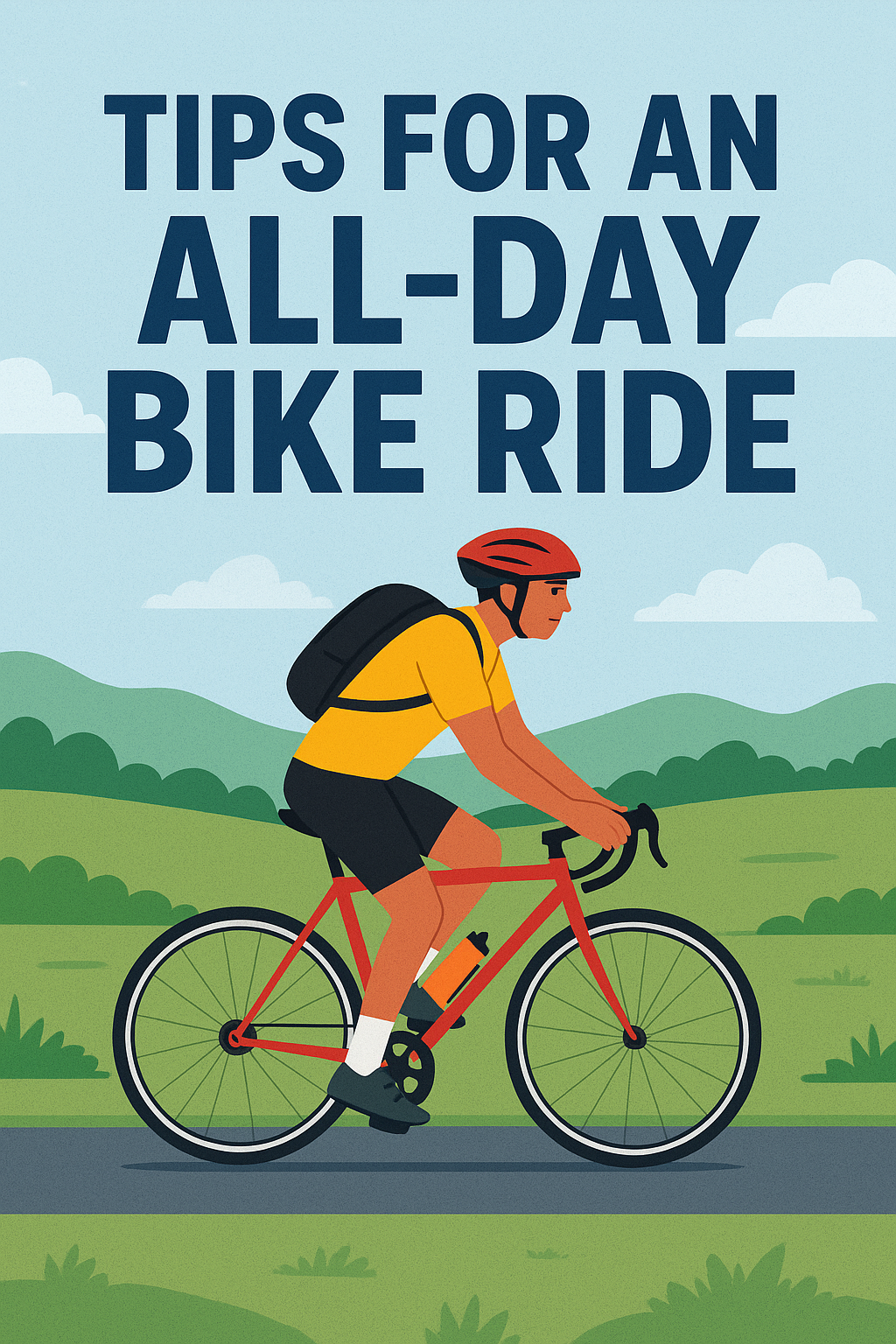
There’s a special kind of satisfaction that comes with finishing an all-day bike ride. Whether it’s your very first century (100 miles) or a personal epic through the hills and valleys of your local mountains, the feeling at the end is a blend of exhaustion, pride, and pure joy.
But let’s be honest—long rides can also be unpredictable. The longer the ride, the more opportunities there are for things to go wrong: cramping, bonking, mechanical failures, saddle sores, or even just a mental breakdown halfway through.
That’s why success in endurance cycling isn’t just about strong legs or flashy gear. It’s about smart preparation, knowing how to fuel properly, riding with the right mindset, and respecting the journey as much as the destination. With the right strategy, you can transform what might otherwise feel like a day of suffering into an unforgettable adventure.
This guide breaks down everything you need to know—from training and nutrition, to gear, mental strategy, and recovery—so you can ride further, feel stronger, and actually enjoy the experience.
1. It All Starts Before the Ride: Training
No one wakes up one morning, hops on a bike, and casually spins out 100 miles. Long rides require weeks—sometimes months—of preparation. Building endurance is about gradually conditioning your body, not forcing it into exhaustion overnight.
Build, Don’t Break
The golden rule is progression. Increase your longest weekly ride by no more than 10%. For example, if you’re currently riding 30 miles comfortably, aim for 33 next weekend, then 36 the following week, and so on. This slow, steady buildup strengthens your aerobic system, leg muscles, and even your mental tolerance for long hours in the saddle.
Why gradual progress matters:
-
It reduces your risk of injury.
-
It allows your joints, tendons, and muscles to adapt.
-
It builds sustainable fitness instead of quick burnout.
Train for the Terrain
Flat road riders often avoid hills during training, but if your big ride includes climbs, you need to practice them. Hill sessions strengthen your glutes, quads, and cardiovascular system, and they also boost confidence. On the flip side, if your ride will be mostly flat, practice holding a steady pace for long periods to simulate real conditions.
Core and Off-Bike Work
Cycling is about more than just pedaling. A strong core stabilizes you in the saddle, reduces back fatigue, and improves efficiency. Just 20 minutes twice a week of planks, squats, or resistance training can make a major difference in how fresh you feel at the end of a long ride.
2. Fuelling the Engine: Nutrition for Long Rides
If training builds your legs, nutrition fuels them. You can train for months, but if you don’t eat and drink properly, you’ll crash hard—cyclists call it “bonking.”
The Pre-Ride Power-Up
Your fueling starts the night before. Think carb-rich but not greasy: pasta with tomato sauce, rice with lean protein, or potatoes with vegetables. The goal is to fill glycogen stores without weighing yourself down.
On the morning of the ride, go for a breakfast of slow-release carbs and some protein—porridge with fruit, whole-grain bread with peanut butter, or overnight oats. Avoid heavy fats or too much fiber, which can upset your stomach mid-ride.
The 20–30 Minute Rule
During the ride, don’t wait until you’re starving. Once hunger hits, your energy is already dipping. Instead, eat something every 20–30 minutes.
-
Aim for 30–60g of carbs per hour (think one banana, one energy bar, or a couple of small sandwiches).
-
For ultra-long rides (5+ hours), your body may handle up to 90g per hour if you combine glucose and fructose sources (energy gels often use this mix).
Real Food vs. Quick Fuel
The best riders balance both:
-
Real food: bananas, peanut butter wraps, flapjacks, rice cakes. Great for the first half of the ride.
-
Quick fuel: gels, chews, or sports drinks. Perfect for later when you’re fatigued or climbing steep hills.
Pro tip: Always carry more food than you think you’ll need. It’s better to finish with leftovers than run out and bonk miles from home.
Hydration: The Forgotten Essential
Dehydration sneaks up on riders. Drink before you feel thirsty.
-
Aim for 400–800ml per hour, depending on the weather.
-
In hot conditions, include electrolytes to replace sodium, potassium, and magnesium lost in sweat.
A good rule: one bottle of plain water + one bottle of electrolyte mix.
3. Gear: Your Silent Partner
Even the strongest legs can’t overcome poor equipment setup. Comfort equals endurance, and the smallest discomfort at mile 20 can become unbearable at mile 80.
Comfort Is Speed
Invest in a bike fit—a professional fitting ensures your saddle height, reach, and position are dialed in, reducing knee pain and back stiffness.
Clothing matters, too. High-quality padded bib shorts are non-negotiable for all-day comfort. Add chamois cream if you’re prone to saddle sores.
The Night-Before Ritual
Check your bike carefully the evening before:
-
Tires: look for cuts or glass.
-
Chain: clean and lube it.
-
Brakes & gears: test everything.
Pack the Essentials
Don’t leave home without:
-
2 spare tubes
-
Tire levers + pump or CO₂ inflator
-
Multi-tool (with chain breaker)
-
Emergency cash + phone
-
Nutrition + 1 extra snack
-
Sunscreen, ID, and a small first-aid item
A top-tube bag or jersey pockets keep everything accessible.
4. The Mental Game: Staying Strong in the Saddle
Endurance cycling is as much about the mind as the body.
Pace Yourself
Start conservatively. Ride in Zone 2 (a pace where you can hold a conversation). Going too hard early guarantees fatigue later. Think “endurance, not sprint.”
Pedal Smart
Keep a higher cadence (80–90 RPM) in a lower gear. It protects your muscles from overload and keeps energy consistent.
Break the Ride Into Chunks
A 100-mile goal feels overwhelming if you stare at it all day. Instead, break it into smaller targets: the next café stop, the next climb, or just the next 10 miles.
Move and Reset
Shift hand positions regularly, shrug your shoulders, and stand on the pedals every so often. These micro-breaks prevent stiffness and boost circulation.
5. Recovery: The Ride Isn’t Over at the Finish Line
Crossing the finish line feels amazing, but what you do immediately after matters just as much.
-
Eat within 30 minutes: a mix of carbs + protein to replenish glycogen and repair muscle. Chocolate milk, a smoothie, or rice with chicken are all excellent choices.
-
Rehydrate: replace lost fluids with water and electrolytes.
-
Stretch or light yoga: helps circulation and reduces stiffness the next day.
An all-day bike ride is one of the greatest challenges and joys in cycling. It pushes your body, tests your mind, and rewards you with an unforgettable sense of accomplishment. With careful training, smart fueling, the right gear, and a resilient mindset, you’ll not only survive but thrive on your journey.
So prepare well, ride smart, and remember—every pedal stroke is part of the adventure.
Now get out there, and may your next all-day ride be epic.


 ENG
ENG