
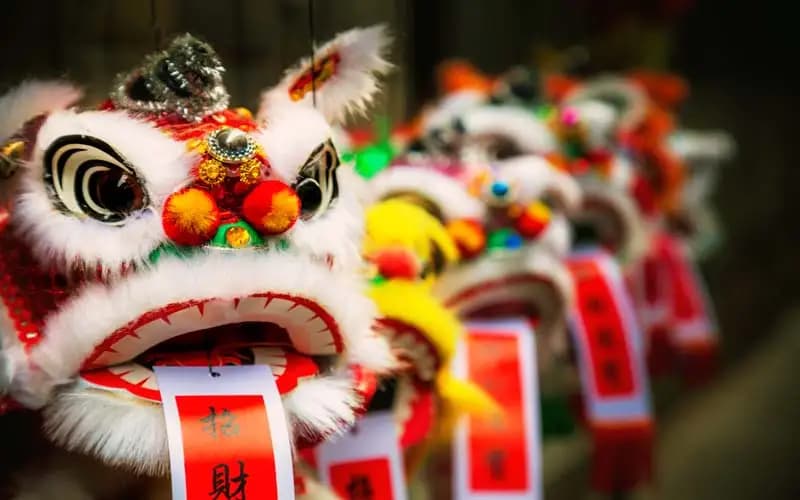
Executive Summary
Your Culture store should do more than list products. It should help you turn heritage, identity, creativity, and community into a clear online business launch. BSMe2e positions Doers as creators who are ready to turn ideas into execution and measurable outcomes, with Level 3 focused on learning to invest in passion and Level 4 focused on Passion Launch. That is exactly the mindset you need for a Culture category that can live inside e-commerce, the creator economy, the passion economy, and even Shopping Centers through physical display, pop-up, or experience-led selling.
The strongest Culture businesses are usually recurring, story-rich, and easy to understand at a glance. BSMe2e’s own cultural business ideas include artisan crafts marketplaces, cultural cuisine subscription boxes, virtual cultural experiences, cultural fashion platforms, cultural music streaming, language learning apps, cultural events marketplaces, cultural literature subscriptions, wellness retreats, and cultural merchandise brands. Those ideas show you how wide the Culture category can be when you build with purpose and structure. In this guide, you will shape one evergreen signature offering for each store/product type, so you can launch cleanly, sell consistently, and support real Passion Project work at the same time.
What You Can Sell as a Culture DOER
Your Culture business should feel rooted, useful, and easy to repeat. The best offers in this category usually fall into one of three directions: experience, education, or expression. You can sell cultural storytelling, heritage-inspired merchandise, language and craft learning, virtual tours, music and event access, or custom items that carry meaning for a specific audience. BSMe2e already frames the category around sellable cultural products and services, and it highlights support for physical products, digital downloads, bundled items, and services from the same platform. That makes your Culture store a strong fit for flexible e-commerce growth.
When you build the offer the right way, you are not just opening a store. You are building a brand that can move across the creator economy, the passion economy, and Shopping Centers, while still being simple enough for buyers to understand. Keep your first offer clear, recurring, and story-led. That is what helps you launch faster and sell with confidence.
Simple Product / Service
Signature Offering: Cultural Storytelling Session
You can sell one clear service where you share the story behind a tradition, festival, art form, family ritual, language, or local heritage. It works because it is easy to explain, easy to price, and easy to repeat. It also supports schools, communities, event organisers, and creators who want authentic cultural content without a complicated setup.
Store Setup Checklist
- Clear product titles.
- One focused story angle, such as heritage, festival, or oral tradition.
- A short description that explains the value in plain language.
- A visible duration, delivery method, and booking or purchase step.
- One strong image or banner that feels culturally authentic.
- One call to action that invites the buyer to book, learn, or gift the session.
- A simple FAQ that answers who the session is for and what is included.
Variable Product / Service
Signature Offering: Custom Heritage Print Apparel Piece
You can sell one design family with variations in size, colour, fabric, wording, or regional motif. It works because culture buyers often want personal choice while still staying connected to a shared identity. It also lets you serve families, communities, diaspora audiences, event buyers, and gift shoppers with one product line.
Store setup checklist
- Clear product titles.
- One master design theme with obvious variation options.
- Size, colour, and style choices listed in a clean order.
- Photos that show the main design and each key variation.
- A description that explains the cultural meaning behind the design.
- A production note that sets expectations for customisation time.
- A sizing or fit guide so the buyer does not guess.
- A return or exchange policy that is easy to understand.
Grouped Products
Signature Offering: Traditional Celebration Gift Set
You can group related items such as a greeting card, a cultural keepsake, a small decorative item, and a printed story note into one collection. It works because grouped products make gifting easier and help you raise average order value without making the buying process confusing.
Store Setup Checklist
- Clear product titles.
- A group name that explains the celebration or tradition.
- Separate titles for each item in the group.
- Matching visuals so the set feels complete.
- A short description for every item in the bundle.
- A clear note on whether buyers can purchase the items separately.
- A price that reflects the set value and saves time for the buyer.
- A gift-ready message that makes the set feel special.
Combo / Bundled Products
Signature Offering: Cultural Celebration Starter Kit
You can bundle a digital guide, a small product, a checklist, and a printable decor or activity file into one launch-ready package. It works because bundle buyers want convenience. They want one purchase that helps them celebrate, learn, host, or teach without building everything from scratch.
Store Setup Checklist
- Clear product titles.
- One bundle name that shows the occasion or goal.
- A list of every item included in the kit.
- A note that explains how the pieces work together.
- A simple value statement that shows why the bundle saves time.
- A clean cover image for the bundle as a whole.
- Instructions for using the kit after purchase.
- A clear file delivery or shipping note if the bundle includes both physical and digital items.
Digital / Downloadable Products
Signature Offering: Cultural Heritage Guidebook
You can sell a downloadable ebook, workbook, or learning guide that explains traditions, meanings, etiquette, stories, symbols, recipes, songs, or travel notes tied to a culture. It works because digital products are repeatable, low-risk, and easy to distribute globally. It also fits BSMe2e’s support for digital downloads and gives you a scalable offer for the creator economy.
Store Setup Checklist
- Clear product titles.
- A title that tells the buyer exactly what the guidebook covers.
- A short preview of what is inside.
- A file format note, such as PDF or workbook.
- A cover page that looks polished on mobile screens.
- A brief use case, such as learning, gifting, teaching, or event planning.
- A delivery note that explains instant access after purchase.
- A simple licensing note if the file is for personal use only.
Bookable Services
Signature Offering: Virtual Cultural Immersion Session
You can book live sessions for language practice, heritage learning, folk music appreciation, story circles, etiquette lessons, or festival introductions. It works because it creates connection, real-time value, and recurring demand from schools, families, travellers, and community groups.
Store Setup Checklist
- Clear product titles.
- A session title that tells the buyer what they are booking.
- A visible date, time, duration, and time zone.
- A short outline of what happens during the session.
- A presenter bio that builds trust.
- A booking flow that makes scheduling easy.
- A rescheduling or cancellation policy that is easy to find.
- A follow-up note that tells the buyer what happens after booking.
Why Culture DOERS Should Build Their Business
Your Culture business can grow because it is naturally meaningful. Culture carries memory, identity, and emotion, and that gives your store an advantage that many generic products do not have. When you package that meaning into a clear offer, you give buyers a reason to return, refer, and share. That is how a simple cultural idea becomes a real business asset.
Your category also fits the kind of practical selling BSMe2e supports. The platform already highlights cultural products and services, store identity, digital flexibility, and support for products, bundles, and services in one place. That means you can start lean, test your response, and build up your store without overcomplicating your online business launch.
Culture also works beautifully inside the passion economy because people do not just buy the item. They buy the story, the connection, and the pride attached to it. When you sell with that in mind, you create a business that feels both personal and scalable.
How to Set Up Your Culture Store Successfully
Start with one clear position. Use the Passion Projects page to see how your work can connect to real-world impact. Your Culture store should then sit inside the broader category search page so you can organise your listings with a clean category structure. If you need fresh product angles, use the cultural business ideas insight to shape the way you package your offer. BSMe2e’s own guidance shows that sellers can build with physical products, digital downloads, bundled items, and services from one platform, so your first store should reflect that flexibility.
Then build your storefront like a small cultural showcase. Use one brand story, one visual mood, and one offer family. Make your title, description, and imagery feel consistent across every listing. If you want your store to work in e-commerce and in Shopping Centers, keep the presentation strong enough for digital browsing and physical display. The more quickly a buyer understands your cultural promise, the faster you move from attention to action.
Finally, measure what people respond to. Track the offers that get the most clicks, saves, questions, and bookings. A Culture store becomes stronger when you refine the story, simplify the purchase path, and keep improving the experience around your signature offering.
Ready to start your cultural business? Take the next step by joining the BSMe2e Doers Community.
Passion Projects You Can Contribute To
Your Culture store can support more than sales. It can support community work, social value, and long-term impact. BSMe2e’s Passion Projects framework includes themes such as Jobs, Local Food Access, Promote Peace and Passion, Renewable Energy, Smart Cities, Social Justice, Sustainability, Water Conservation, Wellbeing, Education, and Healthcare. For a Culture business, the most natural fit is to contribute through storytelling, education, community connection, ethical production, and identity-led experiences.
Jobs: Your cultural products can create work for designers, artisans, performers, editors, photographers, and guides. When you feature local talent in your store, you help build income opportunities around identity and craft.
Local Food Access: Your culture brand can support food heritage by promoting traditional recipes, local ingredients, food stories, or culinary education. That creates awareness around access, preservation, and the cultural value of food.
Promote Peace and Passion: Your store can bring people together through shared traditions, respectful dialogue, and creative expression. Culture-led storytelling helps people see common ground instead of only differences.
Social Justice: Your products and services can give voice to underrepresented communities, protect heritage, and support fair representation. Culture becomes powerful when you use it to raise awareness and build dignity.
Sustainability: Your cultural business can favour ethical sourcing, reusable packaging, handmade production, and long-lasting goods. That makes your brand more responsible and more future-ready.
Wellbeing: Your Culture store can support wellbeing through music, rituals, stories, meditation, traditions, and community-based experiences. When you sell calming or healing cultural content, you give people more than a product.
Common Mistakes You Should Avoid
- You make the offer too broad and the buyer cannot tell what you actually sell.
- You use cultural language without explaining the value in simple words.
- You list too many products before your first offer is ready.
- You forget to add a clear title, so the listing feels vague.
- You ignore photos, even though Culture businesses depend heavily on story and visual trust.
- You price too randomly and lose confidence in your own offer.
- You launch without a booking flow, download flow, or checkout flow that feels easy.
Ready to Launch Your Culture Signature Offering?
Your Culture business can become a powerful part of the e-commerce, creator economy, and passion economy when you treat it like a real store, not just a nice idea. You do not need to start with everything. You need one strong signature offering, one clear story, and one setup that buyers can understand quickly. BSMe2e already gives you the framework to build, sell, and connect your work to meaningful impact, so your next step is to launch with clarity and consistency.
Now is the right time to turn your cultural idea into a visible business. Build your Culture launch with purpose, structure, and measurable progress. Your story deserves a store, and your store deserves to be seen.
Start Building Your Business with DOERS
Enter the BSMe2e Global Online Talent Contest
Inspire Others Through the Lead By EXAMPLE™ Program
FAQs
1. What is a Culture DOER on BSMe2e?
A Culture DOER is someone who turns heritage, identity, creativity, or cultural knowledge into a structured business offer.
2. What is the best Culture product to launch first?
A simple, recurring offer such as a storytelling session, guidebook, or heritage-inspired product is usually the easiest place to start.
3. Can a Culture store sell both products and services?
Yes. BSMe2e supports physical products, digital downloads, bundles, and services from one platform.
4. How do you make a Culture store feel professional?
Use clear titles, one visual style, a simple offer structure, and a strong story behind every listing.
5. What makes Culture businesses work well online?
They combine meaning, identity, and utility, so buyers feel an emotional and practical reason to purchase.
6. How many products should you launch with?
Start with one signature offering and a small set of supporting listings only after the first offer is clear.
7. Why are digital Culture products useful?
They scale easily, reach global buyers, and let you share knowledge without shipping costs.
8. How can Culture businesses support Passion Projects?
They can create jobs, support wellbeing, promote peace, encourage sustainability, and raise awareness around social justice.
9. Should you sell Culture products inside Shopping Centers too?
Yes. A strong Culture brand can work online and in physical shopping spaces because it sells story as well as product.
10. What should you do after setting up your Culture store?
Launch one offer, collect feedback, refine the listing, and promote it through your community and BSMe2e channels.