The Beginning
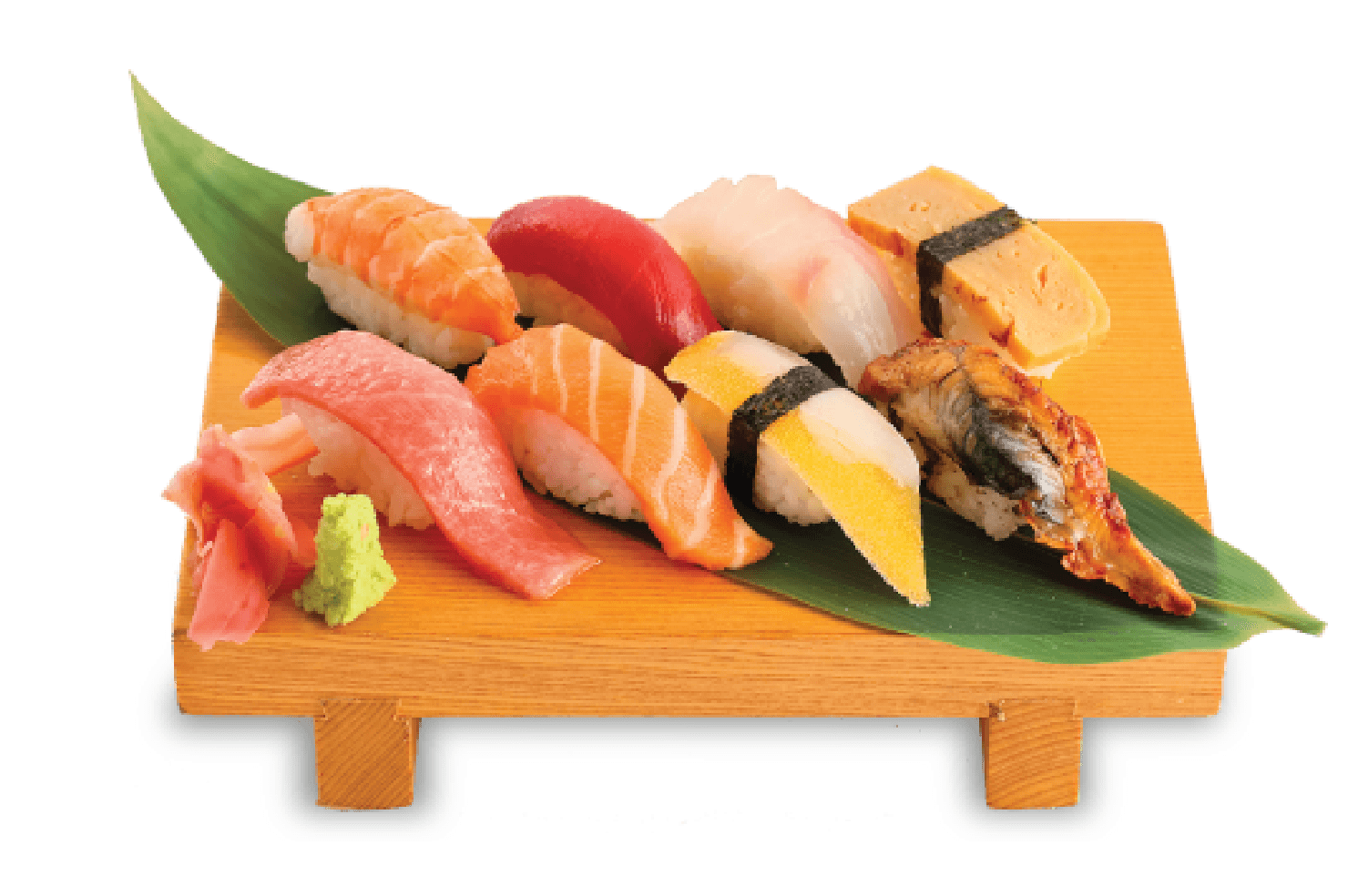
In 2007, Hanoi’s dining scene was growing, but authentic Japanese cuisine was still rare and hard to find outside of expensive hotels. We saw an opportunity not just to fill a market gap, but to bring something we genuinely loved to a city we called home. Sushibar Hanoi opened its first location with a small team, a focused menu, and one clear mission: serve honest Japanese food with care and consistency.
There were no shortcuts. We sourced ingredients carefully, trained our kitchen team rigorously, and studied Japanese culinary traditions to ensure every dish reflected the culture behind it, not just its flavors.
What We Built
Over 13 years, Sushibar Hanoi grew from one location into four restaurants operating across Hanoi. At peak, we served between 400 and 600 customers daily and generated consistent year-over-year revenue growth of 10 to 15 percent during our expansion years.
But the numbers only tell part of the story. What we actually built was a community of customers who came to Sushibar not just to eat, but to experience something different. Japanese food culture values simplicity, precision, and respect for ingredients. We brought those values into a Vietnamese context, and people connected with that.
The Craft Behind the Kitchen
Running a multi-location Japanese restaurant in Vietnam is not simple. It requires sourcing ingredients that meet Japanese quality standards while navigating local supply chains. It requires training staff in Japanese food preparation techniques that take years to master. It requires maintaining consistency across multiple locations while keeping the experience personal and high-quality.
We built our own training systems, developed local supplier relationships, and created a kitchen culture rooted in the Japanese principle of kaizen, which means continuous improvement. Every month, we looked for ways to get better, not bigger.
What Japanese Food Culture Taught Us About Business
Japanese culinary philosophy is built on mastery, patience, and respect. A sushi chef trains for years before being trusted to prepare rice. Nothing is rushed. Every element of the meal, from the temperature of the fish to the angle of the cut, matters.
Running Sushibar Hanoi taught us that those same principles apply to building any business. You do not scale by cutting corners. You scale by getting the fundamentals right, earning trust one customer at a time, and staying obsessively focused on quality even when growth creates pressure to compromise.
Why We Are on BSMe2e
BSMe2e enables businesses like Sushibar Hanoi to share our story, expertise, and passion with a global audience. Vietnamese hospitality and Japanese culinary culture together represent something unique that the world does not see enough of. Through this platform, we want to connect with travelers, food lovers, cultural enthusiasts, and entrepreneurs who believe that passion-driven businesses create better experiences than profit-driven ones.
We align with SDG 8, Decent Work and Economic Growth, and SDG 11, Sustainable Cities and Communities, because building a restaurant brand in Hanoi means creating real jobs, supporting local communities, and contributing to a more vibrant, culturally rich city.
If you love Japanese food, Vietnamese culture, or the story of building something from scratch with genuine passion, Sushibar Hanoi is your kind of business.