Welcome to BSME2E
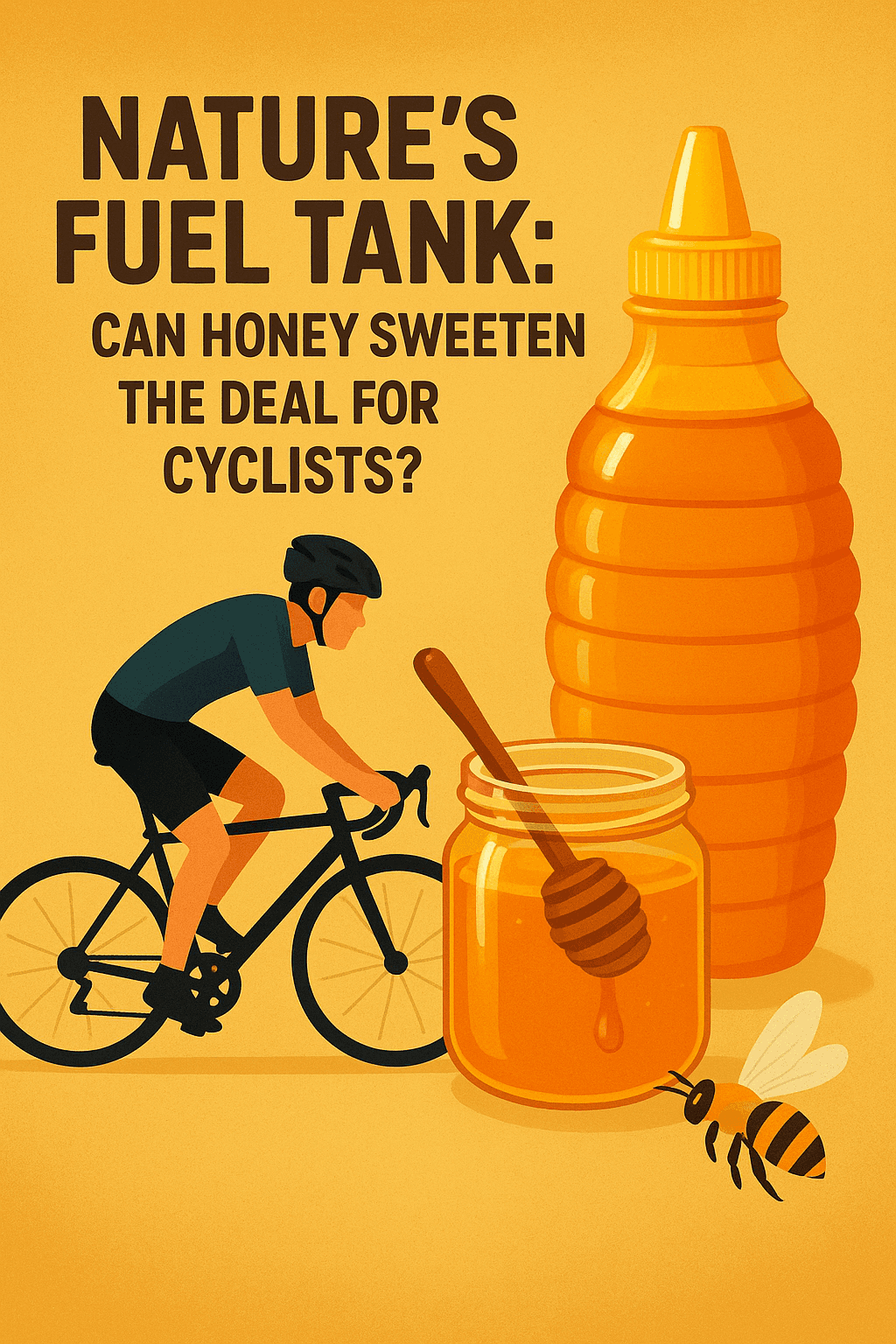
For as long as people have been riding bikes long distances, the question has always been the same: what’s the best fuel to keep the pedals turning? Walk into any bike shop today and you’ll find shelves lined with energy gels, electrolyte powders, and high-tech sports bars. These products promise quick energy, endurance, and recovery — but often come with a hefty price tag and a long list of artificial ingredients.
What if the perfect fuel has been sitting in your kitchen all along? A golden, sticky, natural substance that humans have used for thousands of years: honey.
Cyclists are beginning to look at honey not just as a sweetener for tea, but as a nature-made sports gel that can rival, or even outperform, many synthetic products.
At first glance, honey might look like “just another sugar source.” But a closer look reveals why endurance athletes are paying attention:
Carbohydrate blend: Honey contains glucose (fast energy) and fructose (slower release), offering a dual-phase energy supply. Most commercial gels mimic this exact mix.
Bonus nutrients: Honey naturally contains trace amounts of amino acids, antioxidants, vitamins (like B-complex), and minerals (such as potassium, calcium, and magnesium). Energy gels often contain nothing beyond refined sugars.
Easy on the stomach: Many cyclists find honey gentler to digest compared to gels that sometimes cause bloating or stomach cramps.
In other words, honey provides fuel plus a little extra nutrition, making it a “cleaner” option.
So how does honey actually power your ride?
When you pedal hard, your muscles rely on glycogen (stored carbohydrate). Once those stores run low, you need outside fuel — that’s where honey comes in.
Glucose: Provides almost instant energy by entering your bloodstream quickly.
Fructose: Takes a slower pathway through your liver, releasing energy gradually.
This dual release pattern means honey doesn’t just give a quick spike — it helps sustain energy over hours. Think of it like fuelling your body with both matches (for quick sparks) and logs (for steady burn).
Cycling isn’t just about burning calories. Long efforts, especially in heat or on climbs, trigger the production of reactive oxygen species (ROS) — unstable molecules that cause oxidative stress, muscle fatigue, and even small-scale cell damage.
Here’s where honey shines. Darker varieties (like buckwheat or wildflower honey) are loaded with antioxidants that neutralize ROS. This acts like having a team of microscopic mechanics constantly repairing your “engine” while you ride.
In short: honey may not only give you energy, but also help protect your body against the wear-and-tear of endurance riding.
Scientific studies have started putting honey to the test:
Time-trial performance: In one trial, cyclists consuming honey during a 64 km time trial finished nearly 3 minutes faster compared to those using a placebo. That’s a serious performance edge.
Hydration: When mixed with water, honey has been shown to work just as well as many branded sports drinks in maintaining hydration and energy balance.
Endurance fuelling: Honey has been compared to maltodextrin-based gels (the standard sports gel ingredient), and results suggest similar or even better endurance outcomes.
However, not all research is glowing. Long-term studies where athletes consumed honey daily without timing it to rides showed no significant improvements. This suggests that honey works best as an in-ride fuel rather than an everyday supplement.
So, how do you actually put honey to work during your rides?
Add about 1 tablespoon (15g) of honey per hour of riding into your water bottle. This provides ~12g of carbs, which contributes to your hourly target of 30–60g. Combine with electrolyte tablets for a DIY sports drink.
Fill a small reusable gel flask or even a zip-lock bag with honey for an on-the-go option. One tablespoon = quick hit of fuel without spending on packaged gels.
Pair honey with foods that are easy to carry:
Spread it on whole wheat bread or wraps.
Drizzle over rice cakes or flapjacks.
Mix with peanut butter for a protein + carb combo.
Every stomach is different. Some cyclists thrive on honey, while others might need to adjust amounts. Use training rides to experiment before relying on honey during big events.
Not all honey is created equal. Consider these factors:
Darker honeys (buckwheat, chestnut, wildflower) = higher antioxidants.
Raw honey retains more enzymes and nutrients compared to heavily processed varieties.
Local honey might even help with seasonal allergies while supporting local beekeepers.
Avoid “honey blends” or overly processed supermarket syrups, which may contain added glucose or corn syrup.
As promising as honey is, it’s not perfect.
Sticky handling: Unlike gels in tidy packets, honey can get messy. Flasks help, but it’s not as convenient.
Calorie density: Honey is mostly sugar; relying on it alone may leave you missing protein or complex carbs on very long rides.
Individual response: Some riders digest honey perfectly, others may find it too sweet or heavy after several hours.
Honey may not be the magical elixir that turns every cyclist into a powerhouse, but it’s a legitimate, science-backed option worth trying. It’s natural, affordable, versatile, and provides both fast and sustained energy — plus antioxidant protection.
The bottom line:
Use honey during rides, not as an everyday supplement.
Start small in training to see how your body reacts.
Consider combining honey with other fuels for balance.
Cycling nutrition isn’t one-size-fits-all. Some riders will swear by honey, others will prefer traditional gels, and many will find a mix works best. The key is experimenting until you discover what keeps your legs spinning and your spirit high.
So next time you’re reaching for a fancy gel packet, take a second look at that jar of golden nectar in your kitchen. It might just be nature’s sweetest cycling fuel.