Welcome to BSME2E
Live

Is it possible to scale your business quickly?
Why or why not?
Based on the detailed proposal, it is
possible to scale the business quickly due to several key factors:
·
Existing Infrastructure and
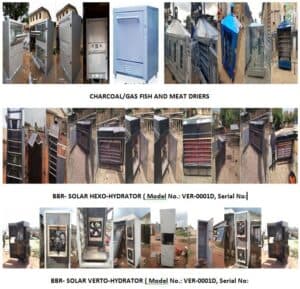
Technologies: The Company has developed and adopted advanced dehydration and
drying technologies, such as solar radiation-based dehydration systems and
multi-fuel fish dryers, which are scalable and adaptable across various
regions.
·
Partnerships and Stakeholder Support:
The collaboration with government agencies like SMEDAN, Ministry of
Agriculture, and other stakeholders provides a strong foundation for rapid
expansion, access to resources, and market entry.
·
Proven Track Record: The Company has
already implemented projects in Nigeria and neighboring countries,
demonstrating operational capacity and experience in scaling agro-processing
solutions.
·
Clear Replication Strategy: The
proposal outlines plans to increase beneficiary numbers from 200 to 500 women
and expand to more regions, indicating a prepared framework for rapid scale-up.
·
Demand and Market Potential: There is
significant demand for food preservation technology in Nigeria, especially amid
food insecurity and post-harvest losses, creating a large market for expansion.
However, scaling quickly also depends
on factors like sufficient funding, capacity to manage increased operations,
logistical challenges, and environmental or political risks. The company’s
comprehensive planning and existing resources suggest that, with appropriate
support, rapid scaling is feasible.
What are your plans of growth?
Our plans for growth are strategically
designed to expand both the reach and impact of our agro-processing
technologies and capacity-building initiatives. Specifically, we aim to:
·
Increase Beneficiary Outreach: Expand
our training programs from the current 200 women across five states to include
more regions within Nigeria and neighboring West African countries such as
Benin, Cameroon, Côte d’Ivoire, and Ghana. This will involve scaling from 100
to 500 women per region over the next few years.
·
Broaden Product and Service Portfolio:
Develop and introduce new locally fabricated dehydration and drying systems
tailored to different crops and animal products, including rice, tubers,
fruits, vegetables, and fish. This diversification will open new markets and
increase revenue streams.
·
Establish Processing Hubs/Clusters:
Set up more processing centers or cooperative hubs within communities to
facilitate easy access to technology, promote local entrepreneurship, and
create job opportunities.
·
Enhance Technology Adoption: Invest in
innovation, such as solar-powered dehydration systems and scalable fish dryers,
to improve efficiency, reduce environmental impact, and meet the needs of
different market segments.
·
Build Strategic Partnerships:
Collaborate with government agencies, NGOs, private investors, and
international development organizations to secure funding, technical support,
and market access, thus enabling rapid expansion and sustainability.
·
Strengthen Market Access and Export
Opportunities: Support beneficiaries in branding, packaging, and meeting
international standards to access export markets, thereby increasing sales and
economic growth.
·
Invest in Capacity Building and
Digital Platforms: Use digital tools and platforms for training, monitoring,
and market linkages, making our growth more efficient and scalable.
·
Overall, our growth strategy focuses
on replication, innovation, partnership, and market expansion to create a
sustainable and impactful enterprise that benefits more farmers, entrepreneurs,
and communities over time.
Who are your competitors?
Our primary competitors include both
local and regional agro-processing and food preservation enterprises that
utilize dehydration, drying, and value addition technologies. Specifically,
they are:
·
Local Drying and Preservation
Businesses: Small-scale operators using traditional sun drying or basic drying
equipment for crops and fish. While these methods are low-cost, they often
result in lower quality and higher post-harvest losses.
·
Regional Agro-Processing Companies:
Larger companies engaged in processing and preserving agricultural produce,
such as dried fish producers, fruit and vegetable dehydration firms, and grain
processors that may use more advanced or imported drying technologies.
·
Imported and High-Cost Technologies:
Entities that import sophisticated drying and dehydration machines, which can
be cost-prohibitive for smallholder farmers and local entrepreneurs, thus
limiting their market penetration.
·
Government and NGO Initiatives: Some
government programs and NGO-led projects also provide post-harvest handling and
processing solutions, potentially competing for the same beneficiaries and
markets.
·
Our competitive advantage lies in
providing affordable, locally fabricated, and environmentally friendly
dehydration solutions that are tailored to the Nigerian context, along with
comprehensive training and capacity building. This creates a unique value proposition
focused on sustainability, accessibility, and scalability, differentiating us
from competitors relying on imported or less adaptable technologies.
What is your competitive advantage?
Our competitive advantage lies in
several key areas:
·
Locally Fabricated and Affordable
Technology: We design and produce dehydration and drying equipment locally,
making them more affordable and accessible for smallholder farmers and
entrepreneurs compared to imported or high-cost alternatives.
·
Customized Solutions for Local Needs:
Our equipment is tailored to the specific agricultural products prevalent in
Nigeria and neighboring countries, such as fish, fruits, vegetables, and
grains, ensuring relevance and efficiency.
·
Capacity Building and Training: We
provide comprehensive training and capacity development to users, empowering
them to operate, maintain, and scale their processing activities confidently,
which enhances technology adoption and sustainability.
·
Environmental Sustainability: Our
focus on environmentally friendly, energy-efficient solutions—such as
solar-powered drying systems—reduces operational costs and minimizes
environmental impact, aligning with sustainable development goals.
·
Inclusive Approach: We target
smallholder farmers and women entrepreneurs, promoting inclusive economic
growth and ensuring that marginalized groups benefit from technological
advancements.
·
Partnership and Ecosystem Development:
We collaborate with government agencies, NGOs, and private sector partners to
expand market access, provide technical support, and create an enabling
environment for growth.
·
Overall, our blend of affordable,
locally tailored technology, capacity building, sustainability focus, and
inclusive strategy provides a strong competitive edge, enabling us to effectively
serve underserved markets and foster local entrepreneurship.
How are you entering and conquering the
market?
We are entering and conquering the
market through a strategic, multi-faceted approach:
·
Targeted Outreach and Partnerships: We
collaborate with local government agencies, NGOs, agricultural cooperatives,
and community organizations to build awareness and trust within our target
communities—smallholder farmers, women entrepreneurs, and local processors.
·
Demonstration and Pilot Projects: We
set up pilot installations and live demonstrations to showcase the
effectiveness, efficiency, and benefits of our dehydration technology. This
hands-on approach helps build confidence and encourages adoption.
·
Capacity Building and Training: We
conduct training workshops and hands-on sessions to ensure users are
comfortable operating and maintaining our equipment, fostering a sense of
ownership and sustainability.
·
Affordable Financing Options: We
explore partnerships with microfinance institutions and government programs to
provide affordable financing, making our technology accessible to small-scale
users.
·
Local Manufacturing and After-Sales
Support: By producing equipment locally, we reduce costs and ensure timely
maintenance and support, strengthening customer loyalty and trust.
·
Market Development and Value Chain
Integration: We work with buyers, processors, and export markets to create
demand for dried and processed products, ensuring that producers have reliable
outlets for their goods.
·
Brand Positioning and Awareness
Campaigns: We promote the benefits of our technology—improved quality, reduced
post-harvest losses, increased income—through community events, social media,
and success stories to build a strong brand presence.
By combining these strategies, we aim
to establish a strong foothold in the market, demonstrate tangible benefits,
and expand our reach sustainably and inclusively.