A product
that appears dry is not necessarily safe or shelf-stable. For fish and meat in
particular, JJIL and its customers should use validated processing procedures,
measure final moisture or water activity where appropriate, prevent
recontamination, and follow applicable Nigerian food-safety and labelling
requirements. Packaging and storage trials should be conducted before making
specific shelf-life claims.
What dehydration can offer
When correctly designed and operated,
drying can:
·
Reduce
product weight and volume, lowering some transport and storage costs.
·
Convert
seasonal surplus into products that can be sold later.
·
Reduce
dependence on continuous refrigeration for the dried product.
·
Improve
access to distant markets.
·
Create
value-added products such as dried fish, meat, fruit, vegetables, herbs, and
powders.
·
Support
processing businesses and employment close to production areas.
What dehydration cannot guarantee
Drying alone
does not guarantee:
·
A
particular shelf life.
·
Higher
selling prices or steady demand.
·
A
specified percentage reduction in food losses.
·
Lower
energy costs than competing methods.
·
Food
safety without appropriate sanitation and process controls.
·
Profitability
if raw-material supply, packaging, transport, or market access is inadequate.
5. Product-market fit for JJIL
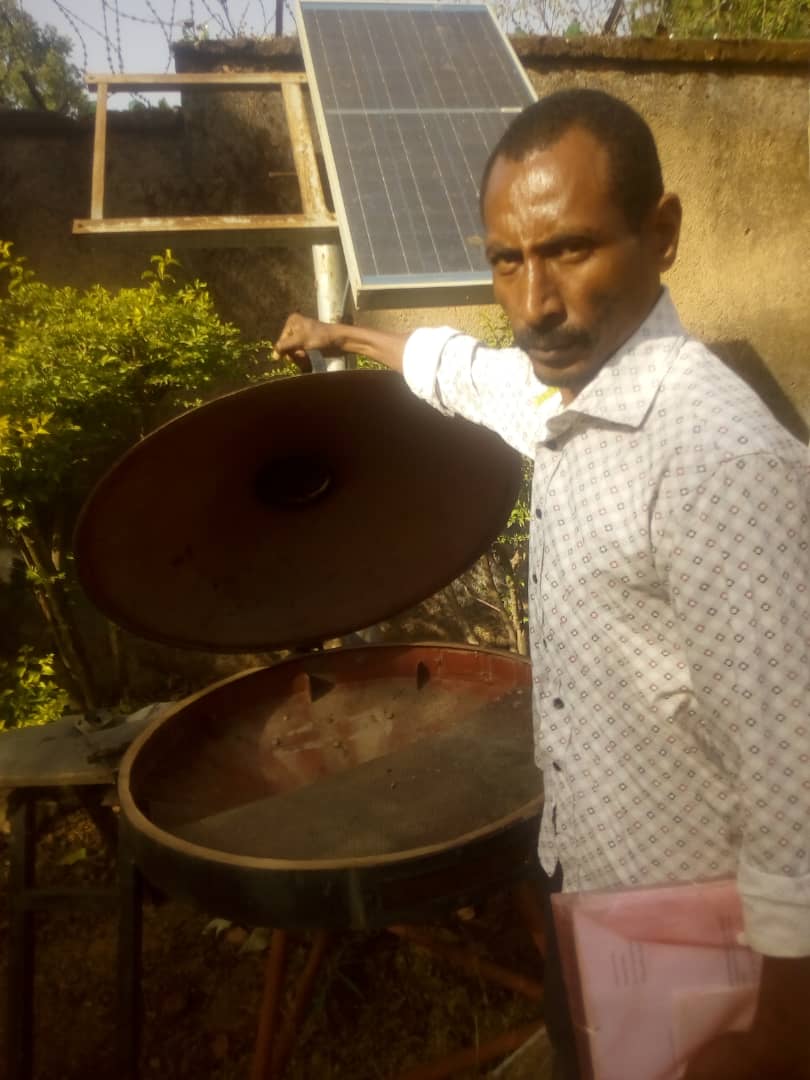
5.1 Black-body radiation dehydrator
The product
may appeal to processors seeking a controlled alternative to open-sun drying,
especially where product cleanliness, weather independence, and repeatable
output matter. The term “black-body radiation” should be explained in plain
technical language and supported by design documentation. Buyers will want to
know:
·
What
heat source is used and how heat is transferred.
·
Whether
the system uses direct or indirect heating.
·
Temperature
range and control accuracy.
·
Airflow
and drying uniformity across trays or batches.
·
Capacity
per batch and per day for named commodities.
·
Drying
time under specified load and ambient conditions.
·
Energy
consumption per kilogram of finished product.
·
Final
moisture or water-activity results.
·
Cleaning
and maintenance requirements.
·
Product
quality compared with sun drying and other dryers.
The name of
a heating principle, by itself, is unlikely to drive purchase. Demonstrated
product quality, operating cost, reliability, and payback will matter more.
5.2 Multi-fuel fish and meat dryers
The ability
to use more than one fuel could be valuable where electricity, gas, or other
energy sources are unreliable or expensive. However, “multi-fuel” needs a
precise definition. JJIL should specify which fuels are approved, whether
conversion is simple and safe, and how each fuel affects:
·
Cost
per batch.
·
Drying
time and temperature stability.
·
Smoke,
odour, soot, emissions, and product taste.
·
Food-contact
surfaces and contamination risks.
·
Worker
safety and fire risk.
·
Maintenance
and fuel availability.
For fish and
meat, buyers may value a dryer that reduces exposure to dust, insects, animals,
rain, and inconsistent open-air conditions. But the equipment must also deliver
acceptable taste, texture, colour, safety, and buyer acceptance. Product trials
with local processors and buyers are essential.
6. Likely customers and demand segments
A. Smallholder farmers and farmer groups
Farmers may
use dryers to preserve seasonal surplus, especially where produce is sold at
low prices during harvest gluts. Individual farmers may struggle to afford
equipment, so group ownership, service-provider models, cooperative financing,
or pay-per-use facilities may be more viable.
B. Fish processors and fishing communities
This is a
strong potential segment where fish is landed in volume and traditional drying
or smoking is common. Demand will depend on whether JJIL’s dryer produces a
product accepted by traders and consumers, and whether it can compete with
existing methods on cost, quality, capacity, and convenience.
C. Small and medium food processors
Processors
may buy equipment to improve consistency, expand product lines, or supply
supermarkets, institutions, wholesalers, and food manufacturers. They are
likely to require technical documentation, food-safety support, dependable
installation, and after-sales service.
D. Aggregators and produce traders
Aggregators
may invest where they can buy surplus produce, process it, and sell during
periods of higher demand. This segment requires reliable supply, working
capital, market intelligence, and clear margins after processing and packaging.
E. Community processing centres
Shared
facilities can serve multiple producers and create local jobs in processing,
maintenance, packaging, sales, and distribution. Their viability depends on
professional management, transparent user fees, continuous throughput, and
access to buyers.
F. Public, NGO, and development programmes
Government
and development organizations may fund equipment for women’s groups, youth
enterprises, cooperatives, or food-loss-reduction programmes. This can
accelerate adoption, but grant-funded installations still need an operating
model, trained staff, maintenance funding, and a route to commercial
sustainability.
7. Competing preservation options
JJIL
competes not only with other dryers but with the full range of ways customers
preserve or sell food:
·
Open-sun
drying.
·
Traditional
smoking and roasting.
·
Refrigeration
and cold rooms.
·
Freezing.
·
Salting,
curing, fermentation, and other traditional processing.
·
Outsourced
drying or processing services.
·
Selling
fresh produce quickly, sometimes at a lower price.
·
Existing
locally fabricated or imported dryers.
Open-sun
drying can have low equipment costs but may be weather-dependent and expose
products to dust, insects, animals, and uneven drying. Cold storage can
preserve fresh products but generally requires dependable power, maintenance,
and a functioning cold chain. Traditional methods may be familiar and
culturally accepted, so a new dryer must demonstrate a clear advantage rather
than assume that users will switch.
JJIL should
benchmark its equipment against the methods customers actually use in each
target location—not only against ideal laboratory conditions.