Full Legal Company Name: JESSY JAY International Nigeria Limited (JJIL) / JJIL Agro–Produce Processing & Storage Innovation Center
Women-Led Initiatives in Agribusiness
Empowering Women Entrepreneurs with Critical Resources to Start and Sustain Their Agricultural Investments
Our initiative focuses on providing women entrepreneurs with essential resources, skills, and support systems to thrive in the agribusiness sector. By equipping women with modern technology, access to finance, and entrepreneurial training, we aim to enable them to:
Start New Agribusinesses: Facilitate access to inputs, equipment, and markets, helping women launch successful agricultural ventures.
Sustain and Grow Existing Investments: Support women in expanding their current operations through capacity building, resource provision, and operational management.
Acquire New Skills: Enhance technical and managerial skills related to farming, processing, packaging, and marketing, ensuring competitiveness and sustainability.
Promote Gender-Responsive Development: Foster an inclusive environment where women’s leadership and participation drive innovation, productivity, and community development in agriculture.
This holistic approach aims to transform women from passive participants into active leaders and owners in the agribusiness value chain, contributing to economic growth, food security, and gender equality.
Brief Summary of Our Business
Jessy Jay International Ltd / JJIL Agro – Produce Processing & Storage Innovation Center specializes in the design, planning, and execution of projects aimed at transforming agricultural produce through skills acquisition and capacity building. Our core expertise lies in professional skill development, training, and project management, enabling us to deliver comprehensive solutions for individuals, organizations, and communities.
With extensive experience in implementing capacity-building initiatives in Jos Plateau State and other regions in Nigeria, we excel in designing and managing projects that enhance the skills of farmers, processors, and stakeholders within the agribusiness value chain. Our focus is on empowering grassroots farmers and entrepreneurs with practical, sustainable technologies and skills to improve productivity, extend shelf life, and increase profitability.
Vision Statement: To become a leading provider of Agro-allied products and services that support farmers and farm produce (both animal- and plant-based), providing innovative post-harvest storage solutions—whether fresh or dried—and processing services that enhance shelf life. Our goal is to meet the growing demand for affordable, high-quality food commodities.
Mission Statement: To leverage technology and research findings to improve the shelf life of farm produce and advance processing techniques that ensure food safety, quality standards, and food security across Nigeria.
Business Objectives
Support Grassroots Farmers: Empower smallholder farmers to maximize profits from highly perishable farm produce such as fish, meat, tubers, fruits, and vegetables by providing affordable, efficient drying and dehydration technologies that extend shelf life.
Value Addition & Processing: Convert dried farm produce into value-added products—powders, flakes, or chopped forms—using our dehydration systems. We also facilitate branding and packaging to meet market demands and increase marketability.
Capacity Building & Customer Satisfaction: Train and prepare our teams and partner farmers for optimal performance, emphasizing excellent customer service, sustainable practices, and the effective use of Out Growers Scheme (OGS) and other platforms to support farmers in boosting their income post-harvest.
Project Overview
Our initiative aims to empower women in Nigeria and beyond by integrating modern food processing and dehydration technologies into agricultural practices. The project addresses critical challenges such as post-harvest losses, food insecurity, and socio-economic barriers faced by women farmers and marketers of perishable farm produce.
Core Objectives & Strategies
Policy & Advocacy: We design policies and strategies that foster an enabling environment for MSME growth, including regulatory reforms.
Capacity Building: We provide comprehensive training, skill development, and capacity enhancement programs to prepare women entrepreneurs for business expansion.
Financial Access: We facilitate access to finance through syndicate funding schemes, low-interest loans, and grants.
Market Access: We enable MSMEs to access local and international markets via trade fairs, linkages, and promotional activities.
Research & Development: We conduct research to generate data that informs policy and technological innovations.
Role of Partner Organization
Our partner organization is responsible for implementing the National BDSPs Certification and Accreditation Framework, which sets standardized quality criteria for business development service providers (BDSPs). This enhances the credibility and professionalism of services, offering benefits such as recognition, partnership opportunities, and funding access. Additionally, they facilitate mentoring sessions with experts to enhance practical skills among 100 women participants, employing pre-designed modules.
Environmental Conservation Initiatives
We incorporate sustainable practices in our dehydration technology, including:
Solar Drying Systems: Utilizing solar tent dryers to reduce energy consumption and carbon footprint.
Waste Management: Implementing recycling and composting of fish by-products, promoting their use in aquaculture.
Eco-Friendly Materials: Using biodegradable packaging and sustainable construction materials.
Community Engagement: Conducting workshops on sustainable fishing and drying practices, raising awareness of biodiversity, and collaborating with local organizations.
Monitoring & Evaluation: Establishing metrics to assess environmental impacts and continuously improve practices.
We have developed advanced solar black body radiation technology for dehydrating highly perishable farm produce, now expanded to tubers, fruits, and vegetables, including paddy rice. This technology will be deployed through partnerships with government agencies and stakeholders such as the Ministry of Agriculture, PLASMIDA/SMEDAN, and Apex International Cooperative Society.
Technology Adoption & Equipment
Training will include the use of locally fabricated dryers and ovens powered by charcoal, gas, or electricity, with capacities for drying fish, tubers, fruits, and vegetables. Post-training, participants will receive dehydrator systems to support their farming and marketing activities, with a focus on improving product quality and extending shelf life.
Climate Change Strategies
Our company commits to contributing to climate change mitigation through “net zero” initiatives and resilience building. We aim to reduce our carbon footprint, promote sustainable production, and support climate adaptation measures to mitigate risks of severe weather, transportation issues, and food security challenges. Achieving these goals requires multi-sector partnerships with government, private sector, civil society, and citizens.
Leveraging Technology for Business Improvement
Technology enhances our operations by tracking customer engagement, analyzing data, and optimizing marketing strategies via social media tools. We also utilize digital notifications to inform customers about product availability, promotions, and updates. Our efforts include educational campaigns, workshops, media programs, and distribution of manuals to improve product awareness and operational efficiency.
Implementation Scope
Primary Location: Nigeria
Additional Countries: Benin, Cameroon, Côte d’Ivoire, Ghana
Project Duration: 4 to 6 years
Current Phase: Scaling Up
Project Specifics
Challenges & Alignment with Aurora Tech Award 2025
Nigeria faces a cost-of-living crisis marked by inflation, unemployment, and food insecurity. Women in agriculture are pivotal for sustainable development, yet face unique barriers like limited asset control and time constraints. Post-harvest losses are significant, with estimates of billions lost annually due to inadequate storage and processing.
Our project aims to empower women agripreneurs through innovative dehydration and food processing technologies, reducing post-harvest losses and enabling value addition. Specifically, it targets the transformation of highly perishable farm produce into processed goods for local and export markets, creating opportunities for enterprise growth and employment.
Key Activities & Impact
Training & Capacity Building: Equip 200 women across five states with practical skills in food processing, business planning, and export readiness.
Technology Provision: Distribute locally fabricated fish and meat dryers, dehydrators, and processing units.
Community Empowerment: Establish mini-processing units within community clusters, enabling women to process produce and increase profits.
Market Linkages: Facilitate access to local and international markets through branding, packaging, and trade promotion.
Sustainable Development: Promote eco-friendly practices, renewable energy use, and environmental conservation, aligning with SDGs.
Expected Outcomes
Increased income for women farmers and marketers.
Reduced post-harvest losses.
Creation of new employment opportunities.
Enhanced capacity for exports and value addition.
Strengthened community resilience and sustainable agriculture practices.
Why Our Organization?
Because we have a proven track record in training, technology deployment, and community engagement, we can uniquely position ourselves to implement this project. Our established partnerships, technical expertise, and previous successful interventions in Nigeria and the region ensure effective execution, monitoring, and sustainability.
Ensuring Inclusion and Equitable Benefits for Young Women and Marginalized Groups in the WLIAB Project
Jessy Jay International Limited, in partnership with SMEDAN (under the Establishment Act 2003, as amended), is committed to ensuring that the WLIAB project achieves its ambitious targets for inclusion. Specifically, we aim for 70% of employment opportunities to be allocated to young women and men, and 10% for other marginalized groups, including persons with disabilities (PWDs) and refugees. Our approach to achieving these targets includes the following strategies:
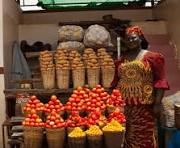
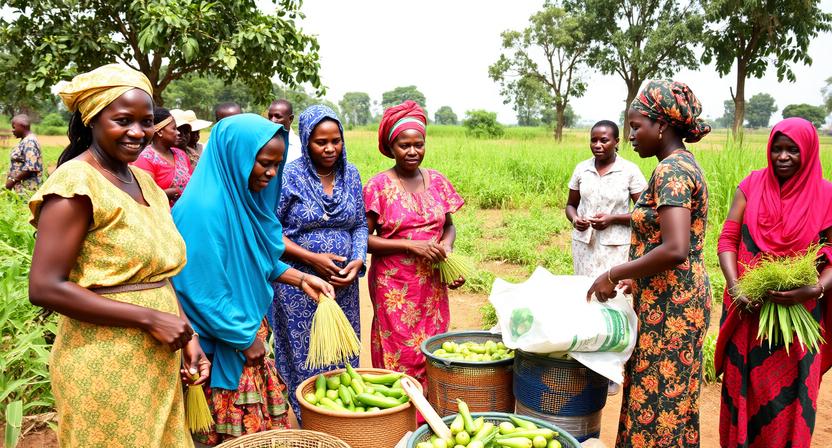
- Highly perishable farm produce women marketers across Nigeria
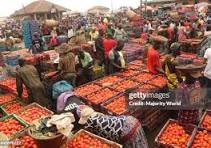
- Highly perishable farm produce women marketers across Nigeria

- Highly perishable farm produce women marketers across Nigeria
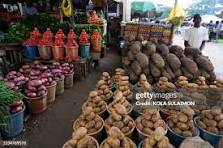
- Highly perishable farm produce women marketers across Nigeria

- Highly perishable farm produce women marketers across Nigeria
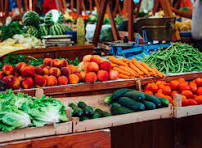
- Highly perishable farm produce women marketers across Nigeria
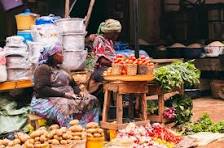
- Highly perishable farm produce women marketers across Nigeria
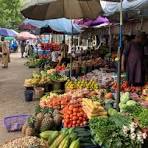
- Highly perishable farm produce women marketers across Nigeria

- Highly perishable farm produce women marketers across Nigeria
1. Targeted capacity building and inclusive training
We will develop and utilize a comprehensive training handbook designed to help participants understand how to align agricultural skills with sustainable enterprise management. The handbook emphasizes the importance of inclusive agribusiness and value chain development.
During training sessions, we will use questionnaires and participatory feedback tools to identify and reach out to potential beneficiaries, especially persons with disabilities, within the communities across selected states.
Special efforts will be made to include marginalized groups in all capacity-building activities, ensuring they are equipped with the necessary skills to participate actively in the sector.
2. Inclusive Engagement in Forums and Activities
All workshops, forums, and symposiums will be structured to include persons with disabilities, ensuring they are given equal opportunities to participate as delegates, speakers, or facilitators.
We will encourage the active participation of marginalized groups as beneficiaries, staff, advisors, partners, or consultants, fostering an environment of inclusivity and shared learning.
Particular emphasis will be placed on including women farmers and marketers of perishable farm produce, recognizing their vital role in the agricultural value chain and prioritizing their engagement in the project.
3. Employment and Recruitment Policies
Our employment criteria explicitly allow for the hiring of qualified individuals with physical disabilities.
We will actively identify and encourage candidates from predisposed communities, including family members, parents, single parents, and guardians of women beneficiaries, to participate in the project.
During the first month, targeted sensitization and awareness campaigns will be conducted to inform communities about the project and its inclusive employment opportunities.
Following these campaigns, targeted candidates from the communities will be enrolled and integrated into the project within the first week of implementation.
4. Community Engagement and Beneficiary Outreach
We will ensure women farmers, marketers, and marginalized groups are well informed about the WLIAB action plan and the opportunities it offers.
Through community mobilization efforts, we will facilitate the enrollment of women and marginalized persons into training programs, ensuring they benefit directly from project activities.
We will use continuous monitoring and feedback mechanisms to adapt strategies and ensure inclusive participation and benefit-sharing.
This approach demonstrates our firm commitment to promoting inclusive growth and ensuring that young women and marginalized groups fully share in the benefits of the WLIAB project, fostering a more equitable and resilient agricultural sector in Nigeria.
Capacity to Implement the Project
Human Resources & Management Team: Jessy Jay International Ltd (JJIL) / JJIL Agro – Produce Storage & Processing Center, in collaboration with our strategic partner SMEDAN, possesses a competent and dedicated team capable of executing the project effectively. Our team includes project managers, technical experts, trainers, monitoring and evaluation specialists, and administrative personnel.
Management Structure:
Project Director
Technical Lead (Agricultural Technologies & Processing Systems)
Training Coordinators
Community Mobilizers & Field Officers
Monitoring & Evaluation Officers
Additional Recruitment:
If funded, we will recruit additional technical trainers, community outreach officers, and support staff to handle expanded activities across five states, ensuring smooth implementation and effective outreach.
Operational Capacity: We have designed our operational framework to enable efficient training delivery, stakeholder engagement, and monitoring activities. We will establish regional offices or coordination points within each state for effective management and community engagement.
Partnership Roles & Implementation Aspects
Jessy Jay International Ltd / JJIL Agro:
Lead in training delivery, technical demonstrations, and dissemination of modules.
Oversee procurement, distribution, and installation of drying/dehydration systems.
Provide technical expertise and supervision.
SMEDAN:
Coordinate enterprise development and business management training modules.
Facilitate linkages to financial services, funding, and policy advocacy.
Support in capacity building, monitoring, and evaluation.
Other Stakeholders:
The Ministry of Agriculture, PLASMIDA, ITF, NABTEB, and Apex International Multi-Purpose Cooperative Society will provide technical support, ensure relevance of training content, and facilitate stakeholder engagement.
Implementation Strategy & Key Modules
The project will deliver structured training modules covering:
Sensitization & awareness creation
Identifying agribusiness opportunities
Legal issues & business ownership
Marketing & sales strategies
Accessing funds for agribusiness
Post-harvest handling & loss reduction
Farm records & bookkeeping
Agricultural insurance
Developing business models & plans
JJIL’s technical staff will lead practical demonstrations of drying and dehydration technologies, with support from government agencies and cooperatives to ensure relevance and sustainability.
Digital & Media Outreach
A dedicated project website will be designed and maintained to share updates, resources, and success stories.
Press releases, media campaigns, scientific journal articles, and conference presentations will disseminate project outcomes and best practices, ensuring wider visibility and impact.
Expected Outputs & Deliverables
Skill acquisition on food processing technology
Business advisory support through attached counselors for ongoing mentorship
Distribution of startup kits and grants:
Each cluster of 20 women will receive two personal dryers and two dehydrators to establish processing units.
Funding Utilization & Budget
Total Estimated Cost:
Across five states: $91,198.23 (USD)
Training and Capacity Building: $64,374.20
Procurement of Dryers/Dehydrators: $26,824.03
Allocation per State:
Approximately $12,874.84 for training, materials, and equipment support.
The costs include design, fabrication, and donation of processing equipment, as well as capacity development activities.
Scaling & Expansion Plans:
The initial phase targets 40 women per state, with plans to expand to 500 women across the regions by scaling up the number of processing units and participants over time.
Closing the Funding Gap
We will leverage support from government agencies, NGOs, and donor organizations through grants, donations, and in-kind support.
Ongoing reviews and baseline assessments will guide the strategic deployment of resources, identify gaps, and measure progress.
Future funding may be sourced from venture capital, angel investors, bank loans, and stakeholder contributions, including state governments and advocacy groups.
Non-Financial Support & Stakeholder Engagement
Community & Government Support:
Sensitization campaigns will involve collaboration with state governments, with a special focus on recognising the role of women in agriculture.
Support from Plateau State Government, SMEDAN, PLASMIDA, and the Ministry of Agriculture will include legal frameworks, policy support, and resource mobilization.
Gender & Inclusion:
Special focus on empowering women, especially marginalized groups such as PWDs and refugees, through targeted training, employment, and enterprise opportunities.
Engagement of community leaders, security agencies, and stakeholders to ensure safe and inclusive project implementation.
This comprehensive plan demonstrates our capacity, strategic partnerships, and commitment to making the project successful, sustainable, and inclusive across Nigeria’s North East and Middle Belt regions.
Business Impact
Potential for Growth and Expansion. Successful implementation of this project will significantly enhance our business by driving widespread adoption of our locally designed and fabricated fish/meat drying and solar drying technologies for vegetables and fruits. This increased demand from grassroots farmers and SMEs investing in the agro-business sector across Nigeria will open new markets for our products and services.
Our research and feasibility assessments have led to the development of comprehensive business plans for related sectors, including rice processing, egg powder production, cattle fattening, and catfish farming in Nigeria. This diversification will further strengthen our market position, increase revenue streams, and promote sustainable growth.
Employment Creation
Direct Employment Opportunities
Category
Type
Number of Jobs
How Jobs Will Be Created
Young Women
Seasonal
250
Post-training, 250 women will operate and demonstrate proficiency in using donated fish/meat driers and dehydrators within community-based processing centers. They will access cooperative-owned facilities, which will have multiple drying systems (electricity, gas, charcoal) to process farm produce into powder, flakes, or other forms for sale. These centers will be open to non-beneficiaries for a fee, generating revenue for maintenance and expansion.
Young Men
Seasonal
250
Similar to women, young men will be engaged as operators, sales personnel, and support staff for processing, packaging, and distribution of Agro-products, creating seasonal employment opportunities.
Youth Living with Disabilities
Seasonal
250
Certified women with disabilities will participate in the same operational activities, with accessible facilities and equipment tailored to their needs. They will operate and manage processing units, contributing to inclusive employment.
Additional Indirect Jobs
Smallholder farmers, micro-entrepreneurs, and traders involved in processing, packaging, and distributing agro-products will benefit from increased market access and income opportunities, securing livelihoods and fostering self-employment.
Salespersons and distribution agents at local markets and retail outlets will also be employed, expanding employment opportunities for youth and women.
Wider Development Impacts
The project aims to generate broad sectoral and ecosystem benefits, including:
Enhanced Food Security: By reducing post-harvest losses and adding value through processing, the project will increase food availability and shelf life.
Capacity Building & Skill Development: Improved skills in food processing, entrepreneurship, and agribusiness management for women, youth, and persons with disabilities.
Market Development & Diversification: Creation of new markets for processed farm produce, including powders and dried products, with potential export opportunities.
Promotion of Inclusive Growth: Empowering marginalized groups, especially women and youth with disabilities, ensuring equitable benefits and improving gender equality in agriculture.
Strengthening Value Chains: Improved linkages between farmers, processors, and markets, fostering sustainable agribusiness ecosystems.
Sustainability Plan
Post-Funding Strategies
Establishment of cooperative-owned processing facilities managed by trained beneficiaries, with a designated leader overseeing maintenance and operations.
The facilities will generate revenue through service charges from non-beneficiaries, which will be reinvested in purchasing additional equipment, covering operational costs, and ensuring maintenance.
Continuous capacity building, leadership development, and community engagement will foster ownership and sustainability.
We will partner with local government, private sector, and other stakeholders to integrate the facilities into broader agricultural development programs, securing ongoing support and potential scale-up.
Risks and Mitigation Strategies
Risk
Description
Impact
Probability
Mitigation Measures
Environmental Hazards
Use of electricity, gas, and tools may pose safety risks during training.
Medium
Low
Implement safety protocols, provide first aid facilities, and conduct regular safety training.
Insecurity & Insurgency
Insecurity and ethnic or religious conflicts could hamper activities.
High
Low
Coordinate with security agencies, select secure locations, and involve community leaders to foster trust.
Policy & Regulatory Challenges
Unfavorable government policies or regulatory changes.
Medium
Low
Engage policymakers early, align the project with national strategies, and advocate for supportive policies.
Funding & Financial Sustainability
Insufficient funds for scale-up and maintenance.
High
Medium
Diversify funding sources, engage government and private sector stakeholders, and develop revenue-generating models.
This strategic approach aims to ensure the business’s growth, create meaningful employment opportunities, and promote inclusive development, all while effectively managing risks to sustain the project’s long-term success.
MONITORING AND EVALUATION (M&E)
Supervision & Oversight: The project will be closely monitored by a dedicated monitoring team appointed by the funding agency or contracting organization. This team will oversee training activities, program implementation, and overall progress, ensuring adherence to objectives.
Project Coordinator: A project manager or coordinator will be responsible for supervising all activities, collecting data, and preparing weekly and monthly progress reports from facilitators. These reports will be summarized and evaluated to track progress, identify challenges, and make necessary adjustments.
Evaluation Processes: Regular evaluations will be conducted to assess budget utilization, activity effectiveness, and achievement of set objectives. Key challenges such as market price fluctuations, recurrent costs (software updates, internet services), and environmental factors will be considered, with strategies implemented to address them.
Reporting & Feedback: Transparent reporting mechanisms will be established to keep stakeholders informed, facilitate corrective actions, and ensure accountability throughout the project lifecycle.
DETAILED PROJECT BUDGET/COST FOR 100 WOMEN BENEFICIARIES
Overall Breakdown Across Three Phases:
Phase
Percentage of Total Cost
Amount (USD)
Purpose & Activities
Phase 1
4.26%
$1,794.09
Awareness creation, data collection, beneficiary identification, initial mobilization, and administrative costs.
Phase 2
18.24%
$7,679.52
Venue rental, infrastructure setup, training materials, participant feeding, and ongoing monitoring.
Phase 3
8.08%
$3,401.23
Facilitation fees, beneficiary grants, certification, and final evaluation.
Total Project Cost: $12,874.84
Note: This budget excludes the cost of 20 dryers/dehydrators (~$26,824.03) intended for establishing processing units within communities, which are part of the larger $91,198.23 total project cost.
Phase-wise Budget Breakdown
Phase 1: Sensitization & Data Collection
Description
Amount (USD)
Campaigns, seminars, workshops, media outreach
$1,200.26
Data collection, beneficiary identification
$500.00
Monitoring & evaluation
$93.83
Subtotal
$1,794.09
Phase 2: Training & Infrastructure Setup
Description
Amount (USD)
Venue rental & infrastructure
$2,994.43
Training materials, participant kits, feeding
$4,591.26
Monitoring & evaluation
$93.83
Subtotal
$7,679.52
Phase 3: Implementation & Certification
| Description | Amount (USD) || Facilitation fees & trainers | $831.43 || Beneficiary grants & certification | $2,475.97 || Monitoring & evaluation | $93.83 || Subtotal | $3,401.23 |
Summary of Total Costs
Description
Amount (USD)
Phase 1
$1,794.09
Phase 2
$7,679.52
Phase 3
$3,401.23
Grand Total
$12,874.84
Additional Context:
The estimate accounts for project personnel, facilitators, suppliers, contingencies, and currency fluctuations.
It includes risk management strategies to prevent cost overruns, project delays, and ensure quality control.
The budget supports effective communication, procurement, human resource management, and quality assurance throughout the project cycle.
Conclusion
This project aligns with global development goals by fostering gender equity, promoting sustainable agriculture, and leveraging innovative technologies. It aims to transform the agricultural value chain, reduce environmental impact, and uplift marginalized women, ultimately contributing to Nigeria’s socio-economic development.