Welcome to BSME2E
BSMe2e
Global Passion Projects | Theme Challenge #2
Stage 1 | Week 2 | Mission Day 7: Final Submission Readiness
1. Innovative Solar-Powered Food
Dehydration & Storage Solutions
2. We are addressing the high post-harvest losses and food spoilage faced by
smallholder farmers and women entrepreneurs in Nigeria due to lack of
affordable, efficient, and renewable energy-powered dehydration and storage
technologies. Our solution reduces food waste, enhances food security, and
promotes sustainable rural economic development.
3. Our primary beneficiaries are smallholder farmers, women entrepreneurs, and
local communities in Nigeria who need affordable, sustainable solutions for
food dehydration and storage to reduce spoilage, increase shelf life, and
improve income opportunities.
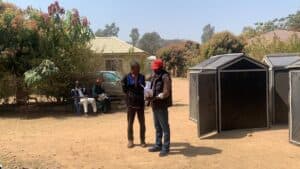
4. 1. Title: Solar-Powered Food
Dehydration Units
·
Executive
Summary: Affordable, solar-powered dehydrators designed for
smallholder farmers to extend food shelf life sustainably.
·
Price
/ Pricing Model: $2,000 per unit (one-time purchase)
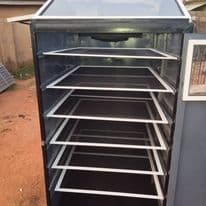
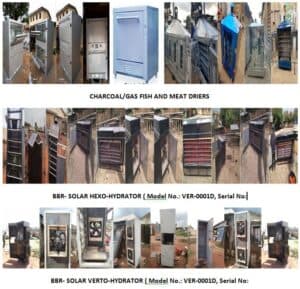
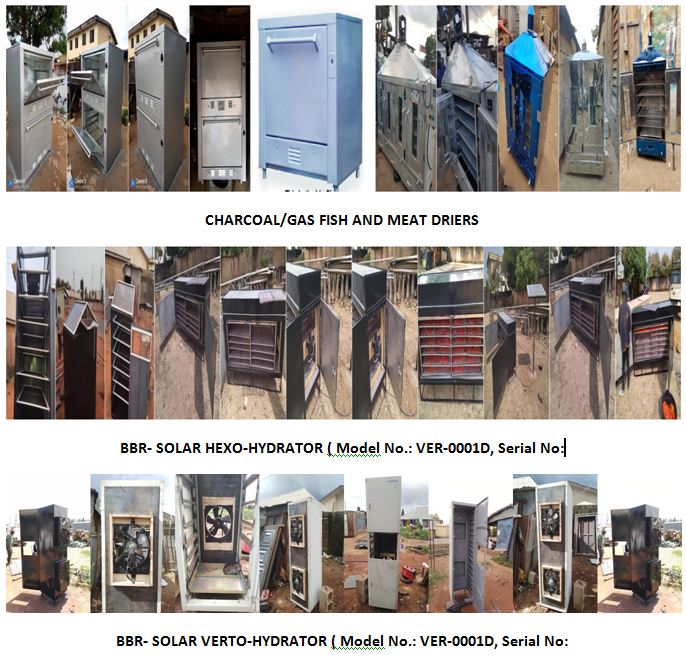
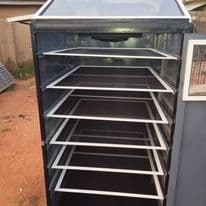
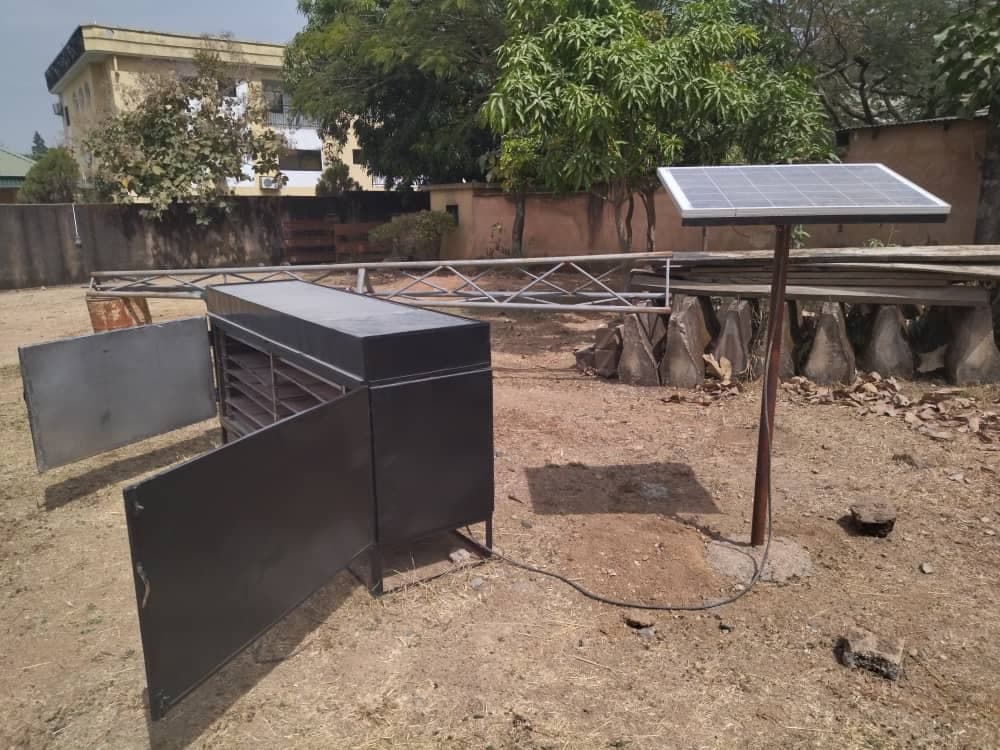
for Vertohydrator or Hexohydrator models (500kg/month capacity for dehydration
of fruits, vegetables or tubers, also works for paddy rice grains moisture
content removal).
·
$500 per unit (one-time purchase) for Mini
Plastic BBR-Dehydrator model, (100kg/month capacity for dehydration of fruits,
vegetables or tubers, also works for paddy rice grains moisture content removal).
·
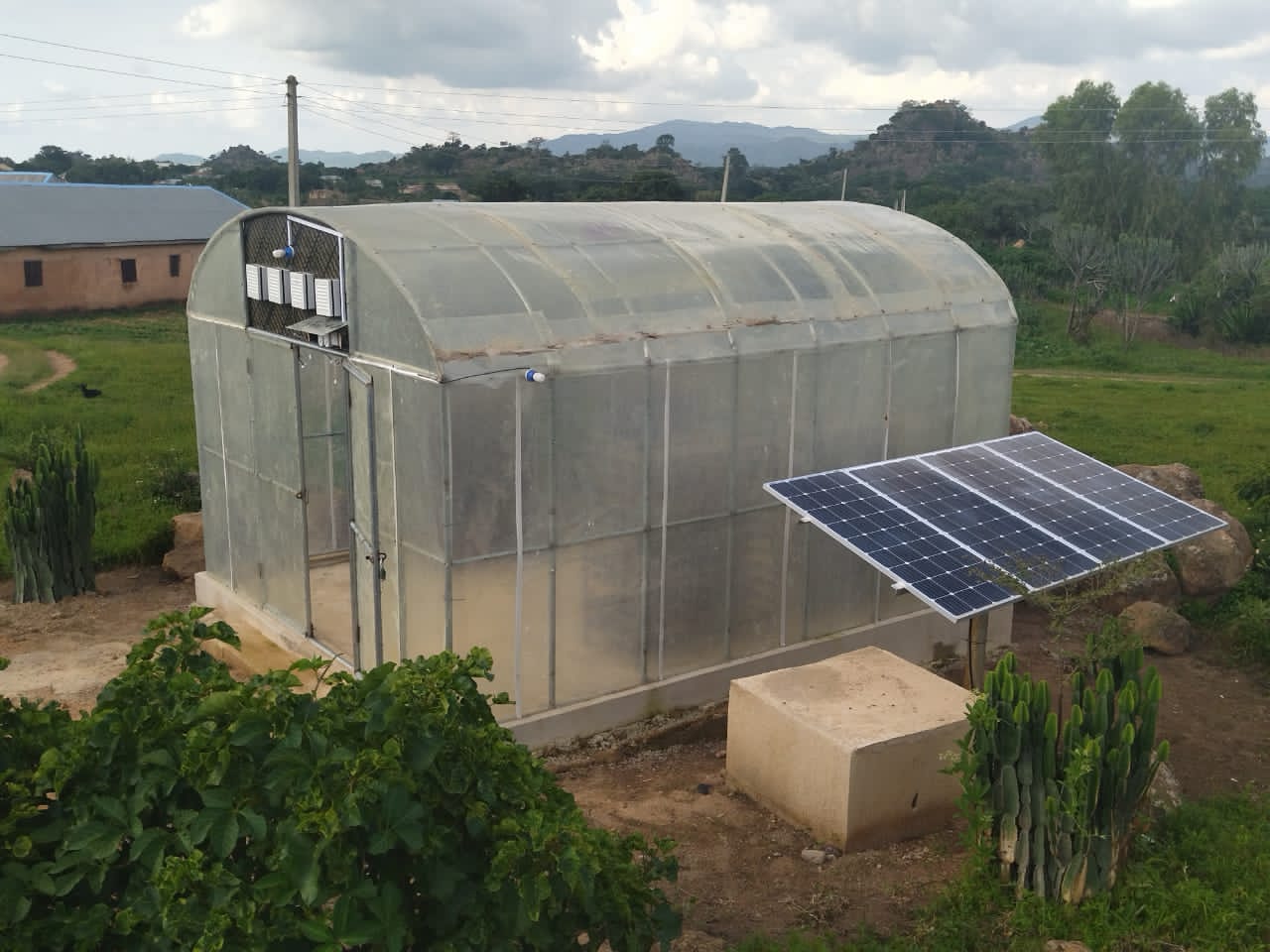
$10,000 per unit (one-time purchase) for
Poly-cabinet Dehydrator (Industrial capacity) models (1ton/month capacity for dehydration
of fruits, vegetables or tubers, also works for paddy rice grains moisture
content removal).
·
Product
Type:
Physical equipment
·
Why
it matters: Enables farmers to preserve surplus produce
without reliance on unreliable energy sources.
·
What
problem it solves: Food spoilage and post-harvest losses.
·
What value it creates: Increased income,
reduced food waste, and enhanced food security.
·
How
is it different: Uses renewable solar energy, low
maintenance, tailored for smallholder needs.
·
Delivery/Shipping:
Shipped directly to rural areas within Nigeria, with setup support; delivery in
2-4 weeks.
2. Title: Training
& Support Program for Food Preservation
·
Executive
Summary: Hands-on workshops teaching farmers and women
entrepreneurs how to operate dehydration units and improve storage practices.
·
Price
/ Pricing Model: $50 per session (group discounts
available)Product Type: Service / Training program
·
Why
it matters: Builds local capacity for sustainable food
preservation techniques.
·
What
problem it solves: Lack of knowledge on dehydration and
storage methods.
·
What
value it creates: Empowered entrepreneurs with skills to
increase income.
·
How
is it different: Focuses on practical, locally adapted
techniques with ongoing support.
·
Delivery/Shipping:
In-person workshops in targeted regions, scheduled quarterly.
3. Title: Digital
Marketplace for Preserved Foods
·
Executive
Summary: An online platform connecting smallholder farmers
and women entrepreneurs with buyers locally and regionally.
·
Price
/ Pricing Model: Free registration; 10% commission on
sales
·
Product
Type:
Digital platform / marketplace
·
Why
it matters: Expands market access for rural producers.
·
What
problem it solves: Limited sales channels and market
reach.
·
What
value it creates: Increased sales, visibility, and
income.
·
How
is it different: Focuses on locally preserved and
dehydrated foods, with integrated logistics.
·
Delivery/Shipping:
Platform accessible via mobile app and web; ongoing support.
4. Title: Renewable
Energy-Powered Storage Solutions (Battery & Cold Storage)
·
Executive
Summary: Affordable, solar-powered cold and dry storage
options to keep produce fresh longer after dehydration.
·
Price
/ Pricing Model: $2,000 depending on size (leasing
options available)
·
Product
Type:
Physical / rental service
·
Why
it matters: Ensures longer preservation and reduces waste
post-dehydration.
·
What
problem it solves: Limited storage options for
small-scale farmers.
·
What
value it creates: Reduced spoilage, higher income, and
sustainability.
·
How
is it different: Solar-powered, scalable, tailored for
rural needs.
·
Delivery/Shipping:
Delivered and installed on-site within 2-6 weeks; maintenance support included.
5. 2 Months (Short-term)
·
Number of Units Sold/Deployed: 50 solar
dehydrators installed
·
Training Sessions Conducted: 10
workshops with at least 200 participants
·
Platform Sign-ups: 300 active users
(farmers, women entrepreneurs) registered on the digital marketplace
·
Customer Satisfaction Rate: 85% positive
feedback from initial users
·
Partnerships Established: 5 local
organizations or cooperatives onboarded
2
Quarters (Medium-term)
·
Units Deployed: 200 solar dehydrators in
target regions
·
Revenue Generated: $15,000 from product
sales and services
·
Marketplace Transactions: 500+ active
listings and 1,000+ product sales
·
Training Impact: 50% of participants
adopting dehydration and storage techniques
·
User Retention: 70% active repeat users
on the digital platform
·
Partnership Expansion: Collaborate with
at least 10 local supply chain or logistics partners
2
Years (Long-term)
·
Units Deployed & Operational: 1,000+
solar dehydrators in rural communities
·
Market Reach: Access to over 10,000
smallholder farmers and women entrepreneurs
·
Revenue & Profitability: $150,000+
revenue, with sustainable profit margins
·
Food Waste Reduction: 30% decrease in
post-harvest losses among beneficiaries
·
Income Increase: 40% average income
growth for participating farmers and entrepreneurs
·
Platform Growth: 10,000+ active users,
50,000+ transactions
·
Social Impact: Significant improvement
in food security and local livelihoods
6. First 20% Milestone Plan (First 2
Months)
Objective:
·
Establish initial product deployment,
build early user engagement, and validate the market need.
Key
Activities & Targets:
Prototype
& Pilot Deployment:
·
Develop and test 10 solar dehydrator
units.
·
Deploy units in 2-3 pilot communities.
Initial
Training & Capacity Building:
·
Conduct 2-3 hands-on workshops with 50
local farmers and women entrepreneurs.
User
Feedback & Refinement:
·
Collect feedback from at least 30 users
on the dehydrators and training effectiveness.
·
Refine product based on insights (e.g.,
usability, durability).
Digital
Platform Launch (Beta):
·
Launch a basic version of the online
marketplace with at least 50 initial listings.
·
Register 150 early users on the
platform.
Partnership
& Stakeholder Engagement:
·
Secure 3 local NGO or cooperative
partners for distribution and training support.
Metrics
& Validation:
·
Achieve at least 80% positive feedback
on dehydrator performance and training.
·
Demonstrate reduced food spoilage
(initial observation or self-reporting).
·
Confirm interest from at least 100
potential users/clients.
7. Real User
Feedback & Improvements
1. Prototype
& Pilot Deployment
Feedback:
·
Users found the solar dehydrator easy to
operate but mentioned it took longer than expected to dehydrate certain
fruits.
·
Durability concerns were raised
regarding exposure to harsh weather conditions.
Improvements:
·
Enhanced the insulation and
weatherproofing of the dehydrators to withstand outdoor conditions.
·
Optimized the dehydration process to
reduce time for common produce, adding adjustable settings.
2. Initial
Training & Capacity Building
Feedback:
·
Participants appreciated the hands-on
approach but requested more visual aids and step-by-step guides.
·
Some users felt the training duration
was insufficient to cover all topics thoroughly.
Improvements:
·
Developed visual manuals and video
tutorials for better clarity.
·
Extended training sessions and included
follow-up Q&A sessions for ongoing support.
3. User
Feedback & Refinement
Feedback:
·
Users suggested adding a simple
troubleshooting guide for common issues.
·
Some expressed interest in accessories
like storage bags and packaging solutions.
Improvements:
·
Created a basic troubleshooting booklet
included with each dehydrator.
·
Partnered with local suppliers to offer
affordable accessories and complementary products.
4. Digital
Platform Launch (Beta)
Feedback:
·
Early users appreciated the platform’s
ease of use but requested features like order tracking and payment
options.
·
Many users preferred SMS notifications
over app alerts due to limited smartphone access.
Improvements:
·
Integrated SMS-based updates and order
status notifications.
·
Planned future iterations to include
multiple payment options and offline support for low-connectivity areas.
Summary:
This feedback has been crucial in refining our
product, training, and digital services, ensuring they better meet user needs
and preferences. Continuous engagement remains a priority for ongoing
improvements.
8. Stage 2
Launch Plan (Months 3-4)
Objective:
·
Scale pilot efforts, expand user base, refine
products/services, and establish stronger market presence.
Execution
Roadmap
Month 3
1. Expand
Pilot Deployment
·
Deploy an additional 20 solar
dehydrators in new communities.
·
Establish local distribution points for
easier access and maintenance.
2. Strengthen
Training & Support
·
Conduct 4-5 advanced training workshops
focusing on troubleshooting, maintenance, and business skills.
·
Develop a peer-support network among
early adopters for ongoing assistance.
3. Digital
Platform Enhancement
·
Launch platform updates based on initial
feedback, including order tracking, multiple payment options, and SMS
notifications.
·
Onboard 300 new users, emphasizing rural
areas with limited internet access.
4. Community
Engagement & Partnerships
·
Partner with 5 local cooperatives and
NGOs for broader outreach.
·
Organize community demonstrations and
success story sessions.
5. Monitoring
& Data Collection
·
Track key metrics: number of dehydrators
in use, user satisfaction, volume of produce processed, and platform
engagement.
·
Collect qualitative feedback through
follow-up interviews.
Month 4
1. Product
& Service Refinements
·
Implement improvements based on ongoing
feedback, such as faster dehydration cycles and enhanced durability.
·
Introduce optional accessories (e.g.,
storage bags, packaging kits).
2. Market
& Sales Development
Initiate small-scale marketing campaigns (local
radio, flyers, community events).
Facilitate first batch of bulk orders for local
markets.
3. Capacity
Building & Local Ownership
·
Train local entrepreneurs to become
brand ambassadors and service providers.
·
Establish a local repair and maintenance
network.
4. Impact
& Validation
·
Document early success stories and case
studies.
·
Measure reductions in food spoilage, income
increases, and user satisfaction improvements.
Outcome
Goals for 2 Months:
·
Deployment of at least 30 additional
dehydrators.
·
Active engagement of 500+ users on the
platform.
·
Improved product features and user
experience.
·
Strengthened local partnerships and
community trust.
9. 2-Month
Stage 2 Launch Roadmap Infographic Outline
Title:
Stage
2 Launch Plan: 2-Month Execution Roadmap
Section 1: Timeline
Overview
·
Header:Months 3-4: Key Milestones
·
Visual:A horizontal timeline with two
main sections: Month 3 and Month 4.
Section 2: Month
3 – Expansion & Support
·
Icon: Map marker + community icon
Content Blocks:
·
Expand Deployment: Deploy 20+ solar
dehydrators in new communities.
·
Training & Support:4-5 advanced
workshops + peer support networks.
·
Platform Upgrades: Implement
feedback-based platform enhancements (order tracking, SMS).
·
Community Partnership: Partner with 5
local NGOs & cooperatives.
·
Monitoring & Data Collection: Track
usage, satisfaction, and produce volume.
Section 3: Month
4 – Refinements & Market Growth
·
Icon:Gear + market icon
Content Blocks:
·
Product Improvements:Implement
durability and efficiency upgrades.
·
Market & Sales:Launch marketing
campaigns + bulk orders.
·
Local Capacity Building:Train
entrepreneurs & repair networks.
·
Impact Validation:Collect success
stories & measure outcomes.
Section 4: Outcomes
& Goals
·
Icon:Target + checkmark
Text:
·
Deployment: 30+ dehydrators in
total
·
Active Users: 500+ on platform
·
Product & Service Enhancement
·
Community Trust & Ownership
Design
Tips for Visuals:
·
Using icons representing community,
technology, growth, and collaboration.
·
Color-code sections for clarity (e.g.,
blue for deployment, green for support, orange for market growth).
·
Incorporate progress markers or
checkmarks for milestones.
·
Using arrows to show progression from
Month 3 to Month 4.
10. https://youtu.be/E0JxxMVLbDg?si=z9v95JJtrrfCBSC_