Welcome to BSME2E
Live
Our business significantly contributes to improving African climate
resilience by promoting sustainable, climate-smart agricultural practices and
reducing the vulnerability of rural communities to climate change impacts.
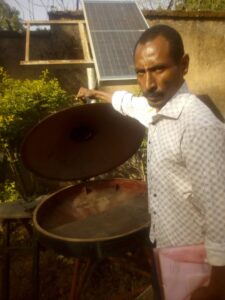
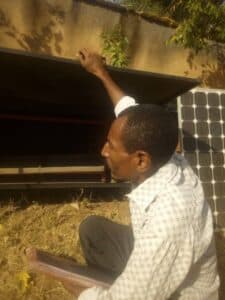
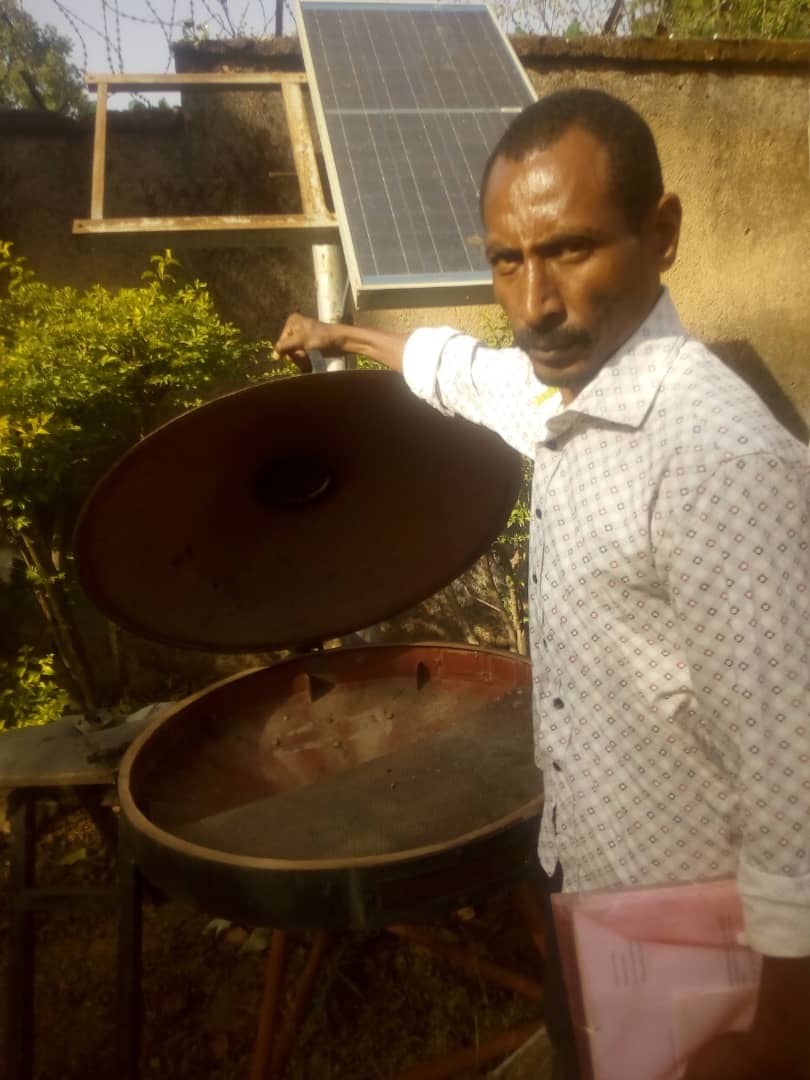
Specifically, our innovative solar-powered dehydration solutions help farmers adapt
to changing weather patterns and extreme climate events, thereby strengthening
their capacity to withstand and recover from climate shocks.
One of the key ways we enhance
climate resilience is by reducing post-harvest food loss, which is a major challenge
in many African countries. Climate variability often leads to increased
spoilage of perishable crops due to inadequate preservation methods. By
providing affordable and reliable solar dehydration technology, we enable
farmers to extend the shelf life of their produce, thus preventing income loss
and food waste during periods of climate stress. This not only stabilizes
household incomes but also ensures a more secure food supply in vulnerable
regions.
Our solutions also promote the
adoption of renewable energy, which decreases reliance on fossil fuels and
reduces greenhouse gas emissions. Transitioning to solar-based drying methods
helps mitigate climate change at the community level, aligning with broader
national and continental efforts to lower carbon footprints and promote
sustainability.
Furthermore, by empowering farmers
with knowledge and access to climate-resilient technologies, our business
fosters community adaptation strategies. Improved crop preservation and
diversified income sources enhance farmers’ capacity to cope with droughts,
floods, and unpredictable weather conditions. This resilience is vital for
maintaining livelihoods, reducing migration pressures, and supporting local
economies amid climate challenges.
Our business also encourages
ecosystem health through sustainable practices, such as reducing reliance on
charcoal and other environmentally harmful drying methods. This contributes to
healthier local environments, which are essential for climate adaptation and
resilience.
In summary, our business advances
African climate resilience by enabling smallholder farmers to adapt to climate
change through sustainable post-harvest management, reducing greenhouse gas
emissions, strengthening local economies, and fostering community capacity to
withstand climate shocks. By aligning technological innovation with climate
adaptation strategies, we help build more resilient, sustainable, and
food-secure communities across the continent.
Our current business model is primarily based on a combination of
product sales, service offerings, and strategic partnerships, designed to
generate sustainable revenue while maximizing social and environmental impact.
1. Sale of Solar
Dehydration Equipment:
·
Our primary revenue stream comes from the sale
of solar-powered dehydration units to smallholder farmers, cooperatives, and
local entrepreneurs. We manufacture affordable, durable, and easy-to-use
dehydrators tailored to various crops and community needs. Farmers purchase or
lease these units, providing a steady income stream for our company. We also
offer financing options and flexible payment plans to make the equipment
accessible to farmers with limited upfront capital.
2. After-Sales
Services and Maintenance:
·
To ensure optimal performance and longevity of
our equipment, we generate revenue from maintenance, repair services, and
technical support. This ongoing service not only sustains the functionality of
the dehydrators but also builds strong customer relationships and loyalty.
3. Training and
Capacity Building:
·
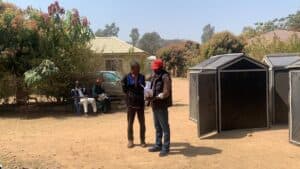
We offer training programs for farmers and
community groups on best practices in crop drying, storage, and market access.
These capacity-building services are offered as fee-based workshops or included
in equipment sales packages, creating additional revenue streams. This also
helps increase adoption rates and ensures farmers realize maximum benefits from
the technology.
4. Market Access and
Value Chain Integration:
·
We partner with buyers, processors, and export
agencies interested in sustainably dried and processed agricultural products.
We facilitate access to these markets for farmers’ dried goods, earning
commission fees or service charges based on transactions. This creates an
integrated value chain that benefits farmers through better market prices and
our company through transaction fees.
5. Strategic
Partnerships and Grants:
·
We actively seek collaborations with NGOs,
governmental agencies, and development organizations that support climate
resilience and agricultural innovation. These partnerships often come with
grants, subsidies, or funding for specific projects, which help us scale our
impact and expand our operations.
6. Product
Diversification:
·
Looking ahead, we plan to diversify our product
offerings to include related sustainable agricultural technologies, such as
solar dryers for other applications or agro-processing equipment. These
diversification efforts will open new revenue streams and broaden our market
reach.
In summary, our business model is
centered on selling affordable solar dehydration units, providing value-added
services, facilitating market access, and forming strategic collaborations.
This integrated approach ensures we generate revenue while promoting
sustainable, climate-resilient agriculture in Africa.
Our primary competitors include other
providers of solar drying technologies, traditional dehydration methods, and
alternative post-harvest preservation solutions.
·
These may range from local artisans offering
manual drying setups to international companies supplying commercial
dehydration equipment.
Key competitors
include:
– Local artisans and small-scale vendors offering basic,
low-cost drying methods such as sun drying or rudimentary solar dryers.
– International companies providing large-scale, industrial
dehydration machinery.
– Traditional methods like smoking or drying crops using
charcoal or firewood.
– Other social enterprises or startups developing
affordable, renewable energy-based post-harvest solutions.
How our business is
differentiated:
1. Affordability and
Accessibility:
·
Our solar dehydration units are designed
specifically for smallholder farmers and local entrepreneurs, offering an
affordable, scalable, and easy-to-operate solution. We focus on cost-effective
design and flexible financing options to ensure broad accessibility.
2. Tailored
Technology:
·
Unlike generic or industrial solutions, our
equipment is customized for the needs of small-scale farmers, capable of drying
a variety of crops efficiently in different climatic conditions. We prioritize
user-friendly interfaces and minimal maintenance requirements.
3. Integrated Support
and Capacity Building:
·
We provide comprehensive training, ongoing
technical support, and capacity-building programs, which many competitors lack.
This ensures proper usage, maximizes benefits, and promotes sustainable
adoption.
4. Focus on Climate Resilience
and Sustainability:
·
Our solutions emphasize environmental
sustainability by harnessing renewable solar energy, reducing reliance on
fossil fuels, and minimizing post-harvest losses. Our business model aligns
with climate adaptation strategies, setting us apart from traditional or
profit-driven competitors.
5. Strong Community
and Market Linkages:
·
We actively facilitate market access for farmers’
dried products, creating a value chain that benefits both farmers and buyers.
This end-to-end approach enhances income stability and encourages wider
adoption.
6. Social Impact
Orientation:
·
Our core mission is to improve climate
resilience and livelihoods, which differentiates us from purely commercial
competitors. We prioritize social and environmental outcomes alongside
financial sustainability.
In summary, our business stands out through affordable,
tailored technology, comprehensive support, a focus on sustainability, and a
strong social mission—all designed to serve smallholder farmers and vulnerable
communities effectively and sustainably.