What are YOUR PLANS FOR THE PRODUCT
DEVELOPMENT?
Our plans for product development
are focused on scaling, improving, and diversifying our dehydration and
agro-processing technologies to better serve our target markets. Here is an
outline of our strategic product development plan:
Product Development Plans for JJIL
1. Scaling Production and Standardization
Objective: Increase
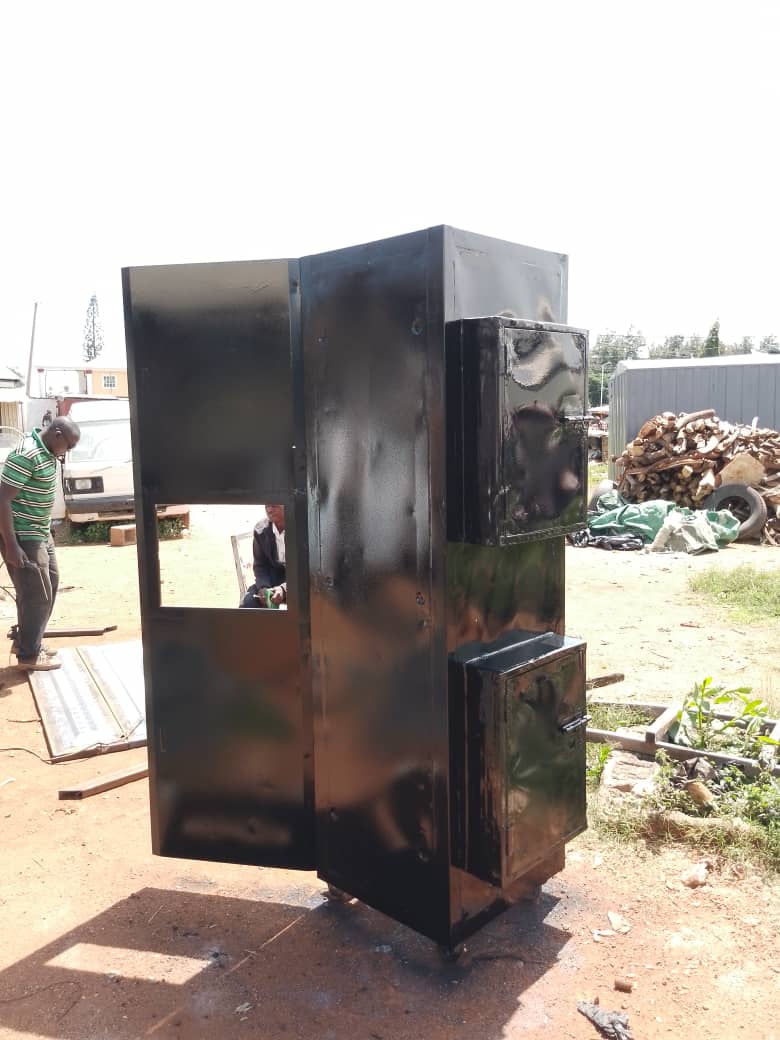
manufacturing capacity of dehydration units (solar, multi-fuel, and hybrid
systems) to meet growing demand.
Actions:
- Establish local fabrication workshops with quality
control processes.
- Develop standardized product models for different
scales (smallholder, SME, industrial).
- Implement ISO or relevant quality certifications to
ensure reliability and safety.
2. Technology Innovation & Diversification
Objective: Enhance
existing technologies and develop new solutions tailored to various crops and
commodities.
Actions:
- Integrate IoT sensors for real-time monitoring of
dehydration processes.
- Develop mobile app interfaces for process control and
data collection.
- Explore new dehydration methods such as vacuum or freeze-drying
adapted for local contexts.
- Design modular systems that can be customized based on
farm size and product type.
3. Energy Efficiency & Sustainability
Objective: Improve
energy efficiency and incorporate renewable energy sources.
Actions:
- Optimize solar collector designs and insulation.
- Incorporate hybrid power options combining solar,
biomass, and grid power.
- Develop low-cost, durable materials to withstand local
climate conditions.
4. User-Friendly & Cost-Effective Designs
Objective: Make
equipment more accessible and affordable for smallholders and SMEs.
Actions:
- Simplify operation interfaces.
- Reduce manufacturing costs through local sourcing.
- Develop training modules for easy installation,
operation, and maintenance.
5. R&D for New Product Lines
Objective: Expand into
complementary agro-processing equipment (e.g., fermenters, packaging, storage
solutions).
Actions:
- Pilot new product prototypes based on market feedback.
- Collaborate with research institutions for innovative
solutions.
- Test and validate new products in real farm
environments.
6. Feedback Loop & Continuous Improvement
Objective: Incorporate user
feedback into product iterations.
Actions:
- Establish customer feedback channels.
- Conduct regular field testing and pilot programs.
- Use data analytics for product performance
improvements.
Timeline:
- Short-term (0-12 months): Standardize current
products, increase production capacity, and incorporate basic IoT
features.
- Medium-term (1-3 years): Develop new models,
diversify product offerings, and enhance energy efficiency.
- Long-term (3+ years): Innovate entirely new
dehydration and processing solutions, expand into regional markets, and
achieve industry certifications.
What technology is your product
based on?
Our product is based on advanced
dehydration and food preservation technologies that leverage renewable energy
and innovative design principles. Specifically, the core technologies include:
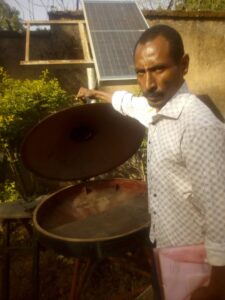
1. Solar Black-Body Radiation Dehydration
- Uses solar energy concentrated through black-body
radiation principles to efficiently dehydrate fruits, vegetables, fish,
and other perishable commodities.
- Incorporates specially designed solar collectors and
insulated chambers to maximize heat absorption and uniform drying.
2. Solar-Powered Dehydration Systems
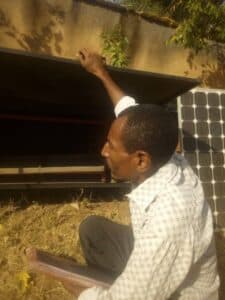
- Solar PV (photovoltaic) panels supply electricity to
operate fans, control systems, and auxiliary devices.
- Hybrid options integrate biomass (charcoal, gas) and
grid power for continuous operation under varying weather conditions.
3. Multi-Fuel and Hybrid Technology
- Combines solar energy with other energy sources to
ensure consistent dehydration processes.
- Allows flexibility for users in areas with limited
sunlight or inconsistent grid access.
4. Insulation and Controlled Environment Technology
- Utilizes high-quality insulation materials to maintain
optimal drying temperatures.
- Incorporates adjustable vents and humidity controls to
improve efficiency and product quality.
5. IoT and Automation (Future Development)
- Integrating sensors and automation for real-time
monitoring, process control, and data collection.
- Enables remote operation and data-driven optimization
for improved productivity.
6. Locally Fabricated, Modular Design
- Emphasizes cost-effective, scalable, and
easy-to-maintain systems crafted with locally available materials.
- Modular components facilitate customization based on
user needs and resource availability.