Our growth plans are
strategically designed to expand both the reach and impact of our
agro-processing technologies and capacity-building initiatives. Specifically,
we aim to:
- Increase Beneficiary Outreach: Expand our training
programs from the current 200 women across five states to include more
regions within Nigeria and neighboring West African countries such as
Benin, Cameroon, Côte d’Ivoire, and Ghana. This will involve scaling from
100 to 500 women per region over the next few years.
- Broaden Product and Service Portfolio: Develop and
introduce new locally fabricated dehydration and drying systems tailored
to different crops and animal products, including rice, tubers, fruits,
vegetables, and fish. This diversification will open new markets and
increase revenue streams.
- Establish Processing Hubs/Clusters: Set up more processing
centers or cooperative hubs within communities to facilitate easy access
to technology, promote local entrepreneurship, and create job
opportunities.
- Enhance Technology Adoption: Invest in innovation, such
as solar-powered dehydration systems and scalable fish dryers, to improve
efficiency, reduce environmental impact, and meet the needs of different
market segments.
- Build Strategic Partnerships: Collaborate with
government agencies, NGOs, private investors, and international
development organizations to secure funding, technical support, and market
access, thus enabling rapid expansion and sustainability.
- Strengthen Market Access and Export Opportunities:
Support beneficiaries in branding, packaging, and meeting international
standards to access export markets, thereby increasing sales and economic
growth.
- Invest in Capacity Building and Digital Platforms: Use
digital tools and platforms for training, monitoring, and market linkages,
making our growth more efficient and scalable.
- Overall, our growth strategy focuses on replication,
innovation, partnership, and market expansion to create a sustainable and
impactful enterprise that benefits more farmers, entrepreneurs, and
communities over time.
Summary of Market Size
(Indicative Figures)
Market Segment
·
Estimated Value (USD)
TAM (Nigeria
& West Africa)
·
$10 billion
SAM (Targeted
SME & Farmers)
·
$1.7 billion (Nigeria), ~$3–$4
billion (Region)
SOM (Realistic Capture in 3-5 years)
·
$34–$85 million (Nigeria), ~$30–$80
million (Region)
Additional Notes:
These estimates are based on
available agricultural data, post-harvest loss metrics, SME engagement levels,
and market penetration assumptions.
The figures can be refined further
with detailed market surveys, customer segmentation, and competitive landscape
analysis.
Do you have an MVP? What is ready
now?
Yes, we do have an MVP (Minimum
Viable Product) in place. Currently, the following components are ready:
Jessy Jay International Nigeria
Limited (JJIL) MVP Status:
1. Dehydration and Drying Technologies:
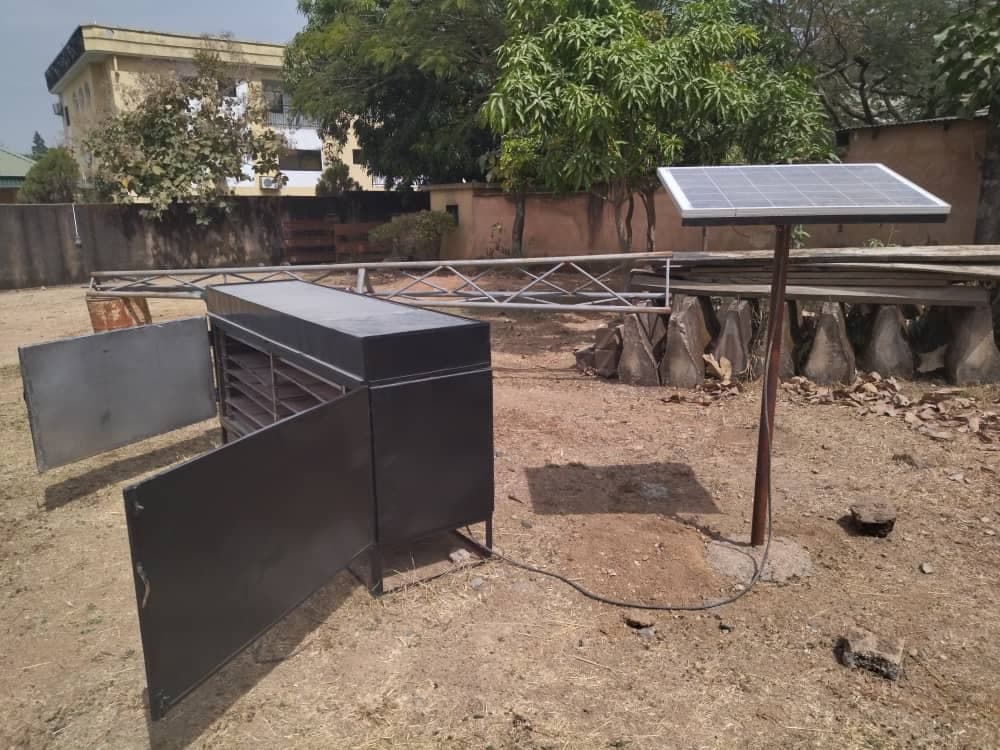
- Fully designed and fabricated solar-powered dehydration
systems suitable for tubers, fruits, vegetables, and fish.
- Functional prototypes of 250 kg/month capacity fish
drying and dehydration units, with multi-fuel options (electric, gas,
charcoal).
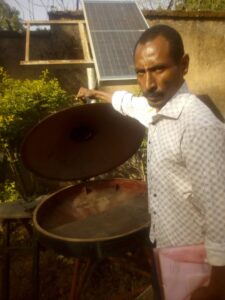
- A fully developed solar black-body radiation
dehydration technology, already adopted for produce dehydration.
2. Equipment and Systems:
- Several locally fabricated solar dryers, fish/meat
drying systems with capacities ranging from 250 to 500 fish/produce.
- Proven and tested dehydration systems for highly
perishable farm produce, with operational manuals.
3. Training Modules & Capacity Building:
- Developed comprehensive training modules covering
skills acquisition, business management, and environmental conservation practices.
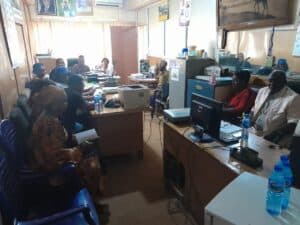
- Conducted successful pilot training sessions with
initial beneficiaries (small groups of women and youth), demonstrating the
technology’s usability and impact.
4. Pilot Projects & Donated Equipment:
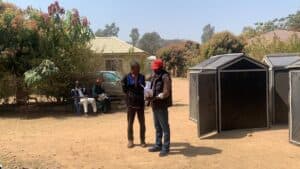
- Donated a number of fish dryers and dehydration units
to early beneficiaries in Jos Plateau State.
- Established operational processing clusters for women
entrepreneurs, with ongoing monitoring and support.
5. Community Engagement & Stakeholder Partnerships:
- Active collaborations with SMEDAN, Ministry of
Agriculture, and local cooperatives.
- Successful pilot programs demonstrating the
technology’s effectiveness and business viability.
Summary:
- Our MVP includes the fully developed dehydration/fish
drying units, operational prototypes, trained pilot beneficiaries, and
established community processing clusters. These elements serve as proof
of concept, allowing us to scale up production, training, and market
outreach with confidence.