Welcome to BSME2E
Live

POST-SERVICE ENTREPRENEURSHIP &
AGRIPRENEURSHIP TRAINING INITIATIVE
Enhancing Sustainable Growth through Critical
Resources and Innovative Technologies
Presented By:
Jessy Jay International Nigeria Limited (JJIL)
1. INTRODUCTION
Aligned with Nigeria’s National
Integrated Labour Strategy (NILS), this initiative aims to empower retired
employees of NILS and other stakeholders with the skills, resources, and
technologies necessary to thrive as agripreneurs. The focus is on reducing
post-harvest losses, improving food security, and fostering sustainable
livelihoods through modern dehydration, food processing, and eco-friendly
practices.
2. OBJECTIVES OF THE TRAINING
·
Equip
post-service entrepreneurs with knowledge of innovative food preservation and
processing technologies.
·
Develop capacity
for designing and implementing sustainable agribusiness models.
·
Promote
environmentally sustainable practices in food processing.
·
Facilitate access
to markets, finance, and support systems for agripreneurs.
·
Foster
collaboration among stakeholders for sustainable agribusiness development.
3. CRITICAL RESOURCES FOR SUSTAINABLE GROWTH
a. Technological Resources
·
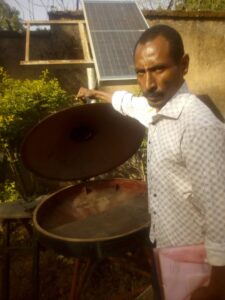
Solar Black Body
Radiation Dehydration Technology: High-efficiency, eco-friendly
dehydration of tubers, fruits, and vegetables with minimal environmental
impact.
·
Locally
Fabricated Dryers & Ovens: Durable, multi-fuel systems (electric, gas,
charcoal) capable of dehydrating 250+ fish/meat units.
·
Advanced Fish
Dryers: Multi-fuel systems with capacities of 500 fish units,
incorporating solar-powered cooling.
b. Financial & Capacity Building Resources
·
Access to funding
through government, NGOs, and private sector collaborations.
·
Training modules
on business planning, branding, packaging, and market access.
·
Mentorship
programs and ongoing technical support.
c. Environmental & Sustainability Resources
·
Solar drying
systems reducing energy consumption.
·
Waste management
strategies, including composting and recycling.
·
Eco-friendly
packaging and biodegradable materials.
d. Partnership & Stakeholder Engagement
·
Collaborations
with SMEDAN and other agencies for certification, standards, and capacity
development.
·
Community
education programs on sustainable fishing and drying practices.
4. Strategies for Sustainable Growth
·
Technology Adoption & Innovation: Implement and scale dehydration and
food preservation technologies to reduce losses and extend shelf life.
·
Climate Resilience & Environmental
Sustainability: Promote
renewable energy use, eco-friendly packaging, and waste management.
·
Capacity Building & Mentorship: Continuous training, site visits, and
stakeholder engagement to foster entrepreneurial skills.
·
Market Linkages & Export Readiness: Develop branding, market access
strategies, and facilitate export opportunities.
·
Institutional Support: Establish cooperative processing
centers managed by trained post-service retirees for sustainability.
5. IMPLEMENTATION FRAMEWORK
Target Beneficiaries
Direct: 40
post-service NILS employees investing in agribusiness.
Indirect: Family
members, community members, and future entrepreneurs.
Job Creation: 750
seasonal/full-time jobs over 6 years, including persons with disabilities.
Key Activities
·
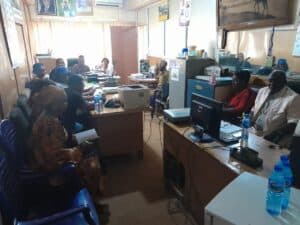
Capacity building
workshops.
·
Deployment of
processing units.
·
Market linkage
programs.
·
Monitoring and
impact evaluation.
Duration:
4-6 years, with phased implementation and scaling.
6. Expected Outcomes
·
Increased
entrepreneurial skills among retirees.
·
Significant reduction
in post-harvest losses (Approximately 50%).
·
Enhanced income
and employment opportunities.
·
Strengthened local
value chains and contribution to food security.
·
Adoption of
sustainable and climate-resilient practices.
7. Funding & Sustainability
·
Initial
Funding: Approx. $207,428 from NILS, supplemented by government, NGOs, and
private donors.
·
Sustainable
Model: Revenue from service charges, cooperative management, and ongoing
training.
·
Long-Term
Impact: Establishment of self-sustaining processing centers managed by
trained retirees and stakeholders.
8. Monitoring & Evaluation
·
Regular oversight
and progress reporting.
·
Impact assessment
based on reduction in losses, income levels, and employment metrics.
·
Feedback loops
for continuous improvement and scaling.
9. Conclusion
·
This initiative
leverages cutting-edge technology, strategic partnerships, and capacity building
to empower Nigeria’s retired workforce and marginalized groups. Aligning with
Nigeria’s broader goals of food security, climate resilience, and inclusive
growth, JJIL’s post-service agribusiness program promises to be a catalyst for
sustainable rural development and economic empowerment.
For further details or collaboration
inquiries, contact Jessy Jay International Nigeria Limited.