Welcome to BSME2E
Live
Jessy
Jay International Nigeria Limited (JJIL)
·
Agro – Produce Processing & Storage
Innovation Center
Full
Name & Acronym:
·
Jessy Jay International Nigeria Limited
(JJIL) / JJIL Agro
Legal Status: Private Sector Entity
Date Established: 18th March 2002
Address: No 5, POWA Complex Building, Miango
Road, Opp. Nigerian Senior Officers’ Customs Mess, Jos, Plateau State, Nigeria
Head of Organization: Ms. Jessica
Dasplang, CEO/MD
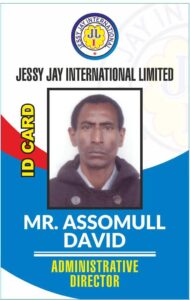
Contact Person: David Assmull, Admin. Director
Phone:
+2348036490888, +2349136847002
Email: jessyjayagroalliedltd@gmail.com
Website: Facebook Page
Registration Certificate: RC.445037
EXECUTIVE SUMMARY
Jessy Jay
International Nigeria Limited (JJIL) is a pioneering organization dedicated to
innovative agro-processing and food preservation technologies that address Nigeria’s
critical post-harvest loss challenge. Established in 2002, JJIL specializes in
designing locally fabricated, renewable energy-powered dehydration and storage
systems that extend the shelf life of highly perishable farm produce such as
tubers, fruits, vegetables, fish, and meat.
This
proposal outlines the “Women-Led Initiatives in Agribusiness (WLIAB)”
project, aimed at empowering 100 women farmers and marketers across Nigeria to
enhance their livelihoods through targeted training, capacity building, and
access to affordable, sustainable dehydration technology. The project will
deliver practical skills in food processing, branding, and market access,
enabling women to produce value-added products suitable for local and
international markets.
Leveraging
innovative solar and renewable energy dehydration systems, the initiative seeks
to reduce post-harvest losses by up to 50%, increase women’s income, and
promote entrepreneurship within rural communities. The project also emphasizes
capacity transfer by training women to become trainers and mentors, creating a
sustainable ripple effect that extends benefits to their families and
communities.
With a total
budget of $44,155.72 USD, including $100,000 requested from the OPEC Fund, this
intervention aligns with Nigeria’s development goals of food security, women’s
empowerment, and economic diversification. The project’s scalable model
promises long-term impact—fostering women-led agribusinesses, enhancing value
chains, and promoting export readiness—thus contributing significantly to
Nigeria’s socio-economic transformation.
1.2 Project
Proposal
WOMEN-LED
INITIATIVES IN AGRIBUSINESS (WLIAB): EMPOWERING WOMEN AGRIPRENEURS WITH
RESOURCES, SKILLS, AND MARKET ACCESS
Sector:
Agriculture
Location:
Nigeria
Beneficiary
Country: Nigeria
Duration:
15 months (1 year 3 months)
Total
Budget: $44,155.72 USD
Funding Requested: $100,000 USD
2. Organizational
Overview & Objectives
2.1 About the
Organization
·
Jessy Jay International Ltd (JJIL)
specializes in designing, fabricating, and deploying innovative agro-processing
and storage technologies. Over the past five years, we have focused on reducing
post-harvest losses by employing renewable energy-powered dehydrators, solar
dryers, and dehydration systems for tubers, fruits, vegetables, fish, and meat.
Our solutions extend shelf life, minimize spoilage, and increase profit margins
for smallholder farmers and agro MSMEs.
·
Our services include consultation,
capacity building, and the sale of locally fabricated solar dehydrators and
drying systems. We are committed to promoting sustainable, affordable, and
renewable energy-based agro-processing technologies aligned with food safety
and security standards.
2.2 Vision
& Mission
·
Vision:
To be a leading provider of agro-allied products and services that empower
farmers and processors, ensuring food security and economic growth.
Mission:
To utilize innovative technology and research to enhance farm produce shelf
life, support value addition, and promote food safety and security.
2.3 Core
Values
·
Nutrition, Food Safety, Value Chain
Development, Sustainability, Capacity Building, Innovation
3. Organizational
Structure & Governance
Board
Members:
·
Ms. Jessica Dasplang (CEO), Gen. Steven
Guar, Mr. Joseph James Shemma, Mr. David Assomull
Staff
& Management:
·
CEO/MD: Ms. Jessica Dasplang
·
Program Director: Mr. Chibuzo Okafor
·
Admin Director: David Assomull
·
Research & Planning: Wisdom Nwosu
·
Finance & Accounts: Mrs. Ruth Ashen
·
Quality Control: Engr. Gabriel Njoku
·
Other key roles: Machine Operators,
Store Managers, Drivers, Security
Certifications
& Recognitions:
·
SMEDAN registration (Reg. No:
SUIN98337199)
·
Winner of SMEDAN Talent Hunt Award
(2022)
·
Certified by ITF for Human Capital Development
·
Recognized for innovation in agro-allied
services
4. Key
Achievements (Past 4-5 Years)
·
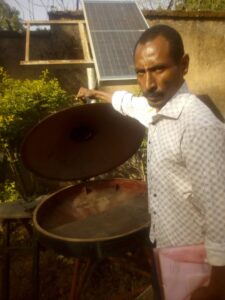
Designed and deployed solar dehydration
and black-body radiation technology for preserving perishable farm produce.
·
Developed locally fabricated dryers for
fish, meat, tubers, fruits, and vegetables powered by solar, charcoal, gas, and
electricity.
·
Conducted capacity-building training for
farmers and MSMEs, improving skills in post-harvest handling, processing, and
value addition.
·
Implemented innovative dehydration
research, including tomato drying using cabinet dryers, solar dryers, and
freeze-drying.
·
Supported grassroots farmers through
feasibility studies, business plans, and MSME funding facilitation.
·
Partnered with NGOs and government
agencies for literacy, ICT, and agricultural development programs.
5. Funding
Sources
|
Name |
Contact |
Contribution (USD) |
|
Plateau State Government |
$6,211.75 |
|
|
SMEDAN |
$3,105.88 |
|
|
PLASMIDA |
$3,105.88 |
|
|
OPEC Grant |
$100,000 |
dditional co-financiers include Rt. Gen. Steven
Guar, Prof. Leonard Fwa, Prof. Okwuasaba, Prof. Abdulaziz (each contributing
$1,000).
6. Project
Summary & Objectives
6.1 Summary
·
The Women-Led Initiatives in
Agribusiness (WLIAB) aims to empower 100 women farmers and marketers across
Nigeria by fostering skills in food processing, dehydration, packaging, and
market access. The project emphasizes technological innovation, capacity
building, and creating sustainable value chains for highly perishable farm
produce.
6.2 Goals
·
Support women in post-harvest processing
and value addition.
·
Reduce post-harvest losses by 50% via
solar and renewable energy dehydration systems.
·
Enable women to process farm produce
into powdered, chopped, or branded products for local and international
markets.
·
Promote women’s entrepreneurship, export
readiness, and income diversification.
7. Rationale
& Background
·
Nigeria’s agriculture sector employs
over 60% of the labor force, yet faces significant challenges: high
post-harvest losses (up to 30-50%), inadequate storage, poor processing
infrastructure, and limited access to finance—especially for women. Women
contribute approximately 70% of food production but face barriers like land
rights, credit access, and market linkages.
·
Empowering women in agriculture through
technology, capacity building, and market integration is critical to achieving
food security, poverty reduction, and economic diversification aligned with
Nigeria’s SDGs.
8. Project
Components & Activities
8.1 Capacity
Building & Training
·
Agripreneurship & Entrepreneurship
Modules:
Topics include agribusiness opportunities, legal frameworks, marketing,
finance, post-harvest handling, recordkeeping, packaging, branding, insurance,
and business planning.
Practical
Workshops: Demonstrations on dehydration, processing, and
packaging of farm produce.
Certification:
Participants will undergo assessments and receive certification from NABTEB.
8.2 Technology
Deployment
Provision
of Dehydration & Drying Systems:
·
Locally fabricated solar-powered dryers
and dehydration units.
·
Fish/meat dryers with electric, gas, and
charcoal options.
Operational
Support: Post-training mentorship, maintenance, and
monitoring.
8.3 Market
& Export Facilitation
·
Linking women to local and international
markets.
·
Branding, packaging, and compliance with
standards (NAFDAC, SON).
8.4 Community
& Stakeholder Engagement
·
Collaboration with government agencies,
NGOs, cooperatives, and private sector partners.
9. Expected Outcomes & Impact
|
Indicator |
Target |
Timeline |
|
Women trained in food processing & |
100 women |
15 months |
|
Women re-trained as trainers/mentors |
20 women |
15 months |
|
Post-harvest loss reduction |
50% |
15 months |
|
Increased income & profit margins |
Significant |
15 months |
|
Women-led MSMEs operational |
Multiple units |
15 months+ |
|
Market access (local & export) |
Expanded |
Ongoing |
Long-term
impacts:
·
Enhanced women’s economic empowerment
and leadership.
·
Increased food security and reduced
post-harvest losses.
·
Creation of sustainable agribusinesses
and employment.
10. Implementation
& Management
·
Project Steering
Committee: Comprising government, NGOs, and private sector partners.
·
Project Coordinator: Ms. Jessica
Dasplang, ensuring adherence to timeline and objectives.
·
Monitoring &
Evaluation: Regular assessments, impact reports, and continuous
improvement.
11. Budget
& Financial Plan
|
Phase |
Cost (USD) |
Activities |
|
Phase 1: Sensitization & Data Collection |
$1,794 |
Awareness campaigns, beneficiary identification |
|
Phase 2: Training & Equipment |
$7,680 |
Venue, materials, trainers, logistics, dehydration |
|
Phase 3: Certification & Business Support |
$3,401 |
Certification, mentorship, post-training support |
|
Total (excluding equipment) |
$12,876 |
|
|
Cost of Dehydration & Processing Machines |
$31,280 |
Locally fabricated dryers and dehydrators |
Total
project cost: Approx. $44,155 (including equipment)
12. Sustainability
& Scalability
·
Post-project, women will operate their
own processing units, managed collectively via cooperatives. Income from
service fees (drying, dehydration) will sustain operations, with potential for
expansion. Regular training, maintenance, and stakeholder collaboration will
ensure long-term impact.
13. Risks
& Mitigation
·
Environmental hazards: Safety
protocols, PPE, first aid facilities.
·
Insecurity & conflict: Location
selection in secure communities.
·
Funding &
maintenance: Community ownership, income-generating activities,
stakeholder support.
·
Technical challenges: Capacity
building, ongoing technical support.
14. Visibility
& Knowledge Sharing
·
Digital platform & website for
updates & best practices.
·
Media engagement, press releases, and
stakeholder reports.
·
Scientific publications and conference
presentations.
15. Conclusion
Jessy Jay International Ltd is committed to
transforming Nigeria’s agro-value chain through innovative, renewable
energy-powered processing solutions, empowering women, reducing losses, and
promoting food security and economic growth. Support via the OPEC grant will
catalyze this vision, fostering sustainable development and women’s
entrepreneurship nationwide.